

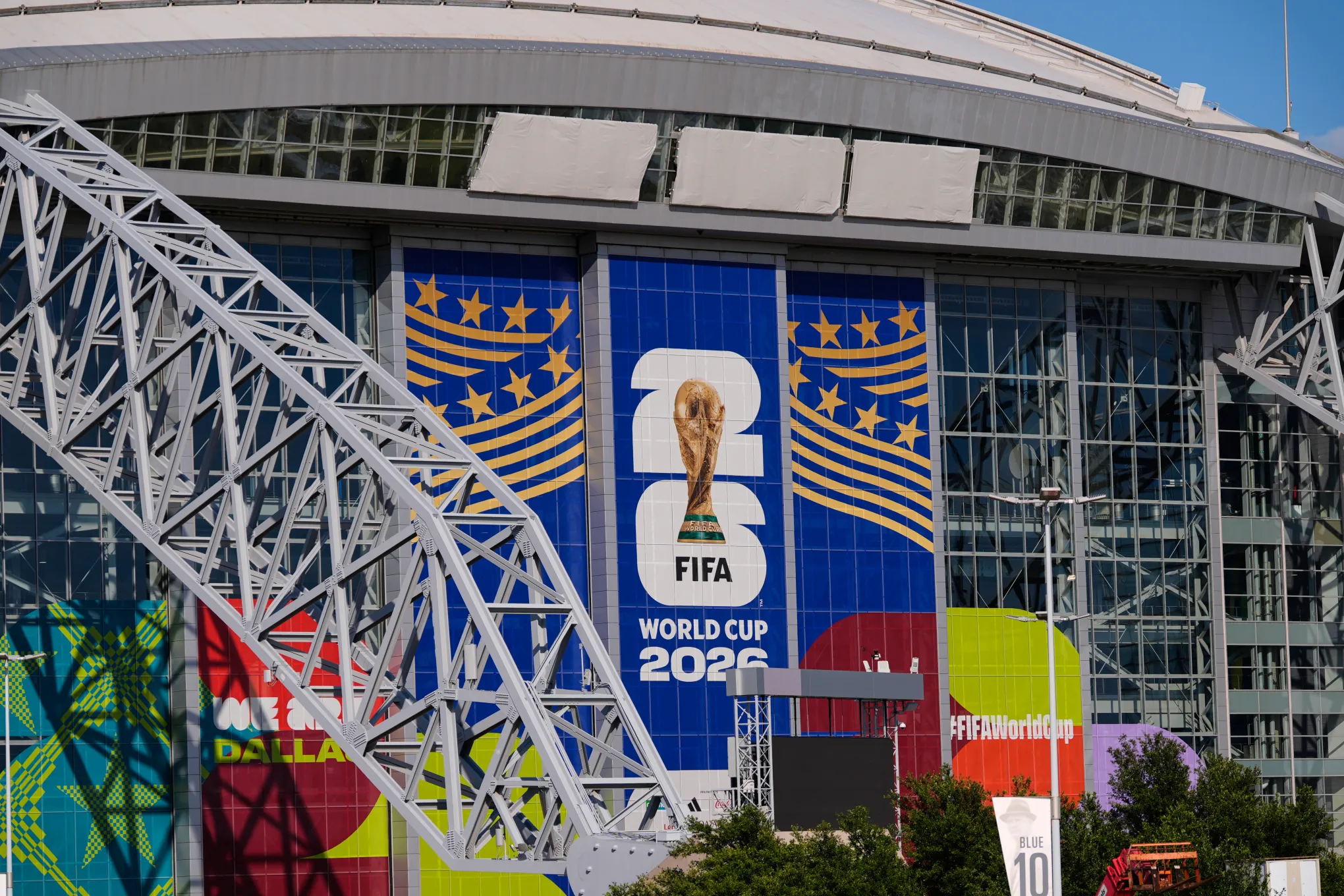
Security agencies across the United States, Canada and Mexico are preparing for what officials describe as one of the largest and most complex sporting security operations ever undertaken ahead of the 2026 FIFA World Cup.
The tournament, which begins next week, will feature 48 teams competing in 104 matches across 16 host cities, making it the largest World Cup in history. Authorities say the expanded format, combined with current geopolitical tensions and emerging technological threats, has created an unprecedented security challenge.
Officials overseeing preparations say the tournament is taking place amid concerns over the ongoing conflict involving the United States, Israel and Iran, rising political violence, and the growing risk of artificial intelligence-driven misinformation campaigns.
Andrew Giuliani, executive director of President Donald Trump’s World Cup task force, described the scale of the operation as comparable to hosting dozens of major sporting events simultaneously.
“In the United States, it’s like staging 78 Super Bowls over 39 days,” Giuliani said.
Security efforts involve federal agencies, state and local law enforcement departments, intelligence services and private-sector partners. Their responsibilities include securing stadiums, fan zones, transportation hubs, hotels and routes used by teams and visiting dignitaries.
Authorities are deploying advanced technology, including AI-powered surveillance systems, drone detection networks, robotic security units and specialized equipment designed to identify and neutralize aerial threats.
Officials say thousands of intelligent cameras will monitor public spaces expected to attract millions of visitors throughout the tournament.
The U.S. Department of Homeland Security estimates that up to seven million international visitors could travel to the United States during the competition.
The tournament has received a high-level federal security designation, ensuring close coordination among national, regional and local authorities. Security planners have spent years developing strategies based on lessons learned from previous large-scale events, including the Super Bowl, New Year’s Eve celebrations and major public gatherings.
Despite heightened concerns, officials say there are currently no credible threats directed at the tournament.
Growing concerns over drones
Security experts identify drones as one of the most significant threats facing tournament organizers.
Recent conflicts around the world have demonstrated the increasing use of unmanned aerial systems for surveillance and attacks, prompting authorities to invest heavily in counter-drone technology.
New York City Police Commissioner Jessica Tisch said drones remain among the biggest concerns for security planners.
Authorities have established no-fly zones over stadiums and designated fan areas, while specialized teams will monitor airspace throughout the competition.
Some systems being deployed include hunter drones capable of intercepting unauthorized aircraft by firing nets and safely bringing them to the ground.
AI misinformation fears
Officials are also preparing for potential disinformation campaigns generated through artificial intelligence.
Security agencies fear manipulated videos, fabricated incidents and false reports could spread rapidly online and create panic among spectators.
To counter such risks, joint operations centres will be activated in every host city, allowing federal, state and local agencies to verify incidents in real time and respond quickly to emerging threats.
Private technology firms are also supporting preparations through advanced data analysis platforms capable of monitoring public information, identifying potential risks and helping authorities anticipate crowd-related incidents.
Millions allocated for security
To support the massive operation, the Federal Emergency Management Agency has distributed hundreds of millions of dollars to host cities for security planning and infrastructure.
Additional funding has been directed toward drone detection and mitigation programmes.
Officials say the tournament represents not only a major sporting event but also an opportunity to demonstrate international cooperation and security preparedness on a global stage.
As teams prepare to compete for football’s biggest prize, authorities say their objective is simple: ensure the tournament proceeds safely and without disruption.
“If we do our job right,” Giuliani said, “nobody will be talking about security at the World Cup.”