

The United States has significantly expanded its military campaign against Iran, widening the scope of airstrikes over the past two weeks as tensions over the Strait of Hormuz push the region closer to another full-scale conflict.
The renewed offensive follows the collapse of a brief ceasefire reached in June under an interim agreement aimed at ending months of fighting. The truce unraveled after clashes erupted over control of the Strait of Hormuz, a strategic maritime route through which nearly one-fifth of the world’s traded oil passes.
US Broadens Military Targets
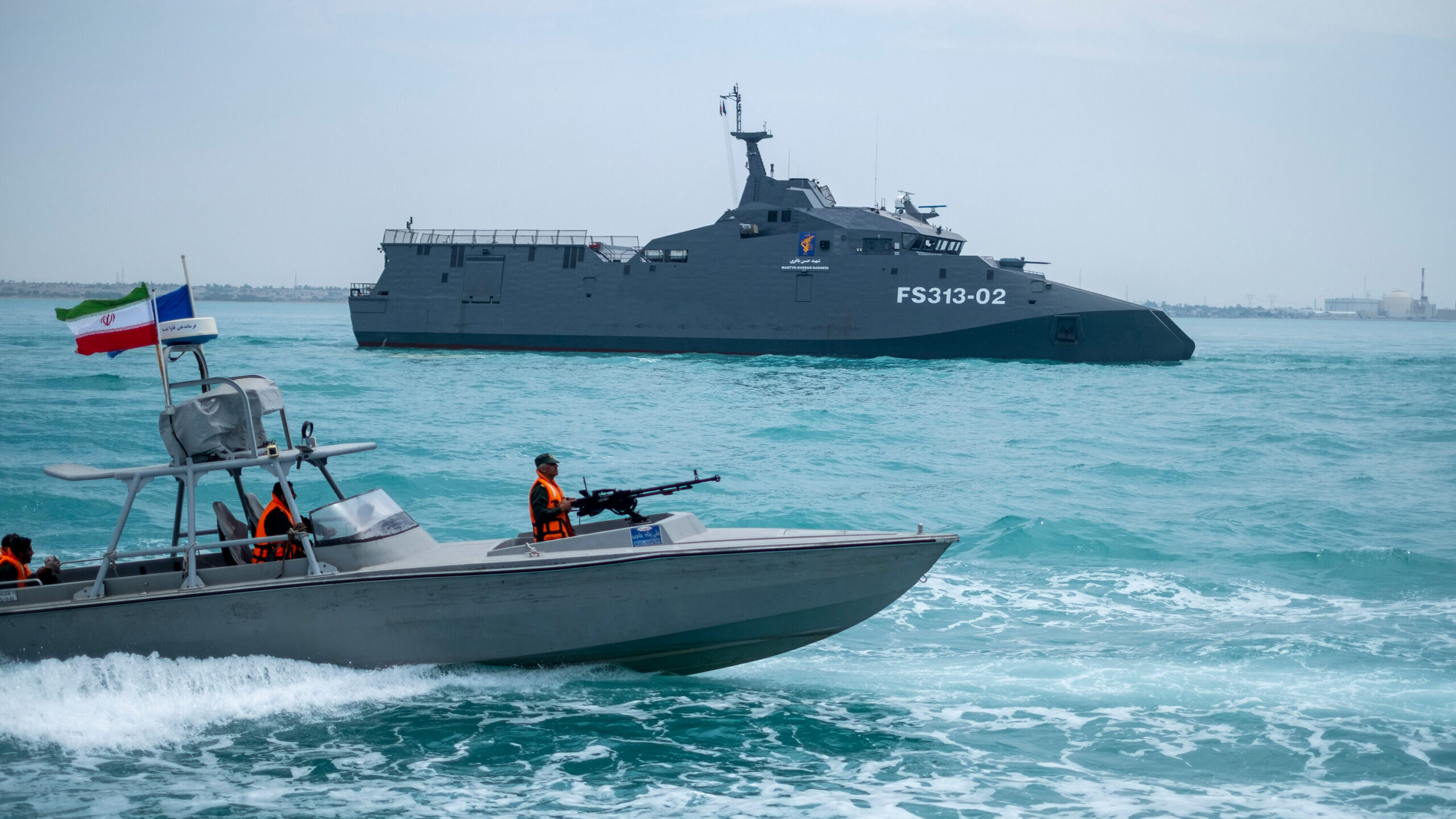
The latest U.S. campaign initially focused on Iran’s naval assets and coastal defense systems, targeting Tehran’s ability to launch attacks against commercial shipping in the Persian Gulf.
In recent days, however, American forces have widened their operations to include bridges, transportation networks, communications facilities, and military infrastructure deeper inside Iran, including areas near the capital, Tehran.
According to U.S. military officials, the strikes are intended to weaken Iran’s logistical capabilities and reduce its ability to threaten international shipping through the Strait of Hormuz.
Coastal Provinces Bear the Brunt
The first phase of the operation concentrated on Iran’s southern coastal provinces of Khuzestan, Bushehr, and Hormozgan, with heavy bombardment reported around the strategic port city of Bandar Abbas.
Military installations and infrastructure on the Gulf islands of Qeshm, Abu Musa, and Kish were also targeted, along with naval facilities in Sistan and Baluchistan province along the Gulf of Oman.
The U.S. military said it struck air-defense systems, missile launchers, drone facilities, coastal radar installations, and naval vessels using precision-guided weapons, warships, and one-way attack sea drones.
Infrastructure Damage Mounts
Iranian state media reported that multiple bridges, a tunnel, railway infrastructure, communications towers, and transportation routes around Bandar Abbas suffered extensive damage.
American strikes also reportedly disrupted communications between mainland Iran and several Gulf islands before Iranian authorities restored services days later.
Other reported targets included:
- Water desalination facilities in Jask, affecting supplies for about 10,000 residents.
- Agricultural pumping stations in Khuzestan.
- Power infrastructure causing localized blackouts.
- Border crossings linking Iran and Iraq.
President Donald Trump previously warned that every Iranian attack on shipping in the Strait of Hormuz would be met with strikes on key infrastructure, including bridges and power plants.
Fighting Moves Deeper Into Iran
As the campaign intensified, U.S. aircraft struck military installations farther inland.
Iranian officials said attacks targeted Revolutionary Guard facilities, missile production centers, military airports, and barracks believed to support operations against American forces stationed across the Gulf.
A strike on military barracks in Iranshahr reportedly killed seven Iranian soldiers and wounded several others.
Near Tehran, U.S. forces also struck the Khojir military complex, one of Iran’s principal missile production sites, as well as another missile installation outside the capital.
Casualties Continue to Rise
Iran’s Health Ministry says 3,434 people have been killed since the conflict began on February 28, including 55 deaths during the latest escalation.
The renewed fighting has also disrupted transportation, communications, and water services in several parts of southern Iran.
Meanwhile, Iran has continued attacks on vessels transiting the Strait of Hormuz and on Gulf nations hosting U.S. military bases. According to reports, at least four American soldiers have been killed in recent Iranian attacks, while critical infrastructure at several regional bases has sustained damage.
Unlike the opening phase of the war, Israel has not participated in the latest round of U.S. strikes, and Iranian retaliation has largely focused on American interests in the Gulf.
Military analysts warn that with both sides intensifying operations and no renewed ceasefire in sight, the conflict risks further destabilizing the Middle East and disrupting global energy markets.