

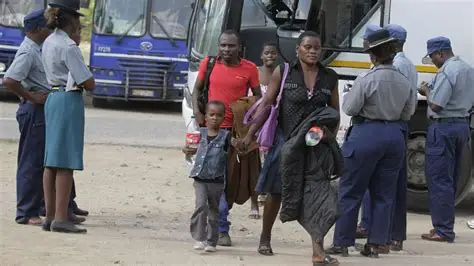
Thousands of Zimbabwean nationals fleeing xenophobic violence and growing anti-immigrant sentiment in South Africa have returned home, with many arriving at a reception center in the border town of Beitbridge after abandoning their jobs, homes and livelihoods.
Zimbabwean authorities said nearly 21,300 citizens have been repatriated through government-assisted programs over the past five weeks, while more than 56,800 others returned independently across the busy Zimbabwe-South Africa border.
Information Minister Soda Zhemu announced the figures during a post-Cabinet briefing on Tuesday, saying the government had intensified efforts to support returning citizens since the repatriation exercise began on May 26.
“To date, approximately 21,291 Zimbabwean nationals have been repatriated through government-assisted arrangements,” Zhemu said, adding that thousands more had returned through self-organised travel.
At the Beitbridge reception centre, aid workers provided medical care, food, temporary shelter and transportation to help returnees reach their final destinations across Zimbabwe.
Many of those arriving recounted traumatic experiences, saying they were assaulted, robbed and forced to flee their homes and workplaces amid escalating hostility toward foreign nationals.
The exodus follows weeks of mounting pressure from anti-illegal immigration groups in South Africa, which demanded undocumented migrants leave the country by June 30. The campaign sparked protests and violent confrontations in which at least four foreign nationals were reportedly killed.
Zimbabwe is among several African countries including Nigeria, Ghana, Malawi, Mozambique and Uganda that have launched government-assisted repatriation programs for citizens seeking to escape the unrest.
South Africa and Zimbabwe share one of southern Africa’s busiest border crossings, with thousands of people moving between the two countries daily through both official and informal routes.
The latest wave of returnees underscores growing regional concerns over xenophobic violence, migration pressures and the humanitarian challenges facing countries receiving large numbers of returning citizens.