

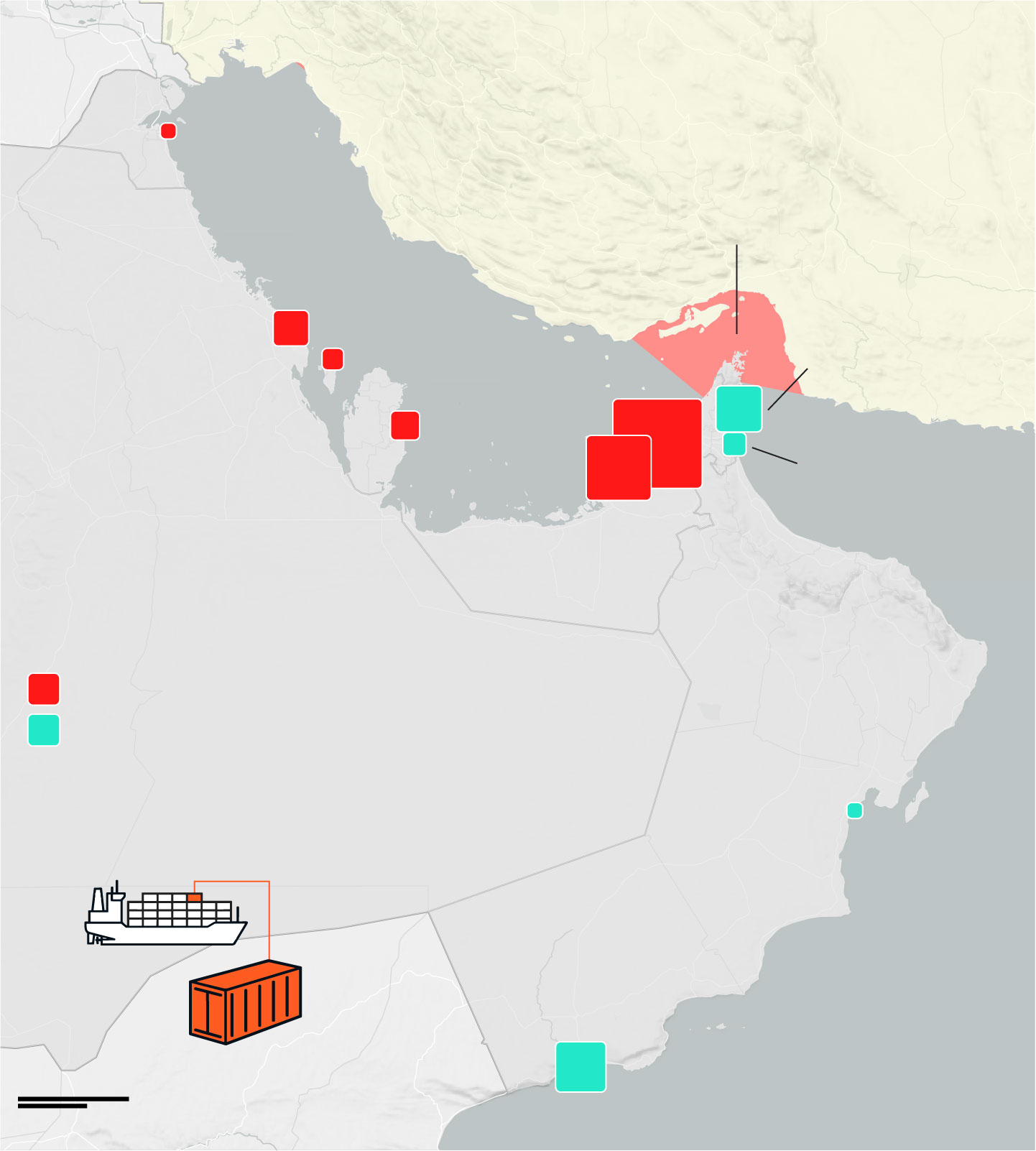
Global gasoline prices are surging as the ongoing war in Iran disrupts the Strait of Hormuz, a vital shipping route for oil and gas from the Persian Gulf. The strategic waterway, located off Iran’s coast, has effectively been closed, prompting governments to draft plans for quickly reopening it once hostilities subside.
In Europe, French President Emmanuel Macron is spearheading international efforts to unblock the strait. He envisions deploying warships to escort oil tankers and cargo vessels when fighting decreases, ensuring that vital energy supplies and goods can flow freely again “when circumstances permit.”
However, former naval officers caution that attempting to reopen the strait before a ceasefire would be extremely risky.
“In today’s context, sending warships or civilian vessels into the Strait of Hormuz would be suicidal,” said Vice Adm. Pascal Ausseur, retired French Navy officer, in an interview with The Associated Press.
A ceasefire, Ausseur noted, would shift the risk from “suicidal” to “dangerous,” allowing military escorts to be deployed safely.
Lessons from Past Conflicts
Naval forces from France, the United States, the United Kingdom, and other nations have experience defending cargo vessels against missile and drone attacks, particularly in the Red Sea during confrontations with Iran-backed Houthi rebels in Yemen. French frigates, for example, used machine guns, cannons, and advanced air-defense systems to protect shipping, with the frigate Alsace shooting down three ballistic missiles in 2024 while escorting a container ship.
Retired French Vice Adm. Michel Olhagaray, who patrolled the Strait of Hormuz during the Iran-Iraq war in the 1980s, said navies have gained valuable expertise from past conflicts and from observing Ukraine’s defense against Russian missile barrages. This experience would be crucial for any future escort operations in Hormuz.
Elevated Risks in Hormuz
Despite previous experience, experts warn the stakes are higher in Hormuz than in the Red Sea. Iran possesses long-range anti-ship missiles, drones, fast attack craft, and naval mines, making the narrow strait a dangerous passage.
“The means to counter this threat must be far more substantial and far more effective,” Olhagaray said. “Before the heat can decrease, most offensive installations on land in Iran would have to be eliminated. Constant monitoring, close surveillance, and high-level intelligence would be necessary before allowing tankers to transit, even with military escorts.”
Challenges for Shipping and Insurance
Even if military escorts were deployed, shipping companies face the hurdle of exorbitant insurance premiums. Insurance rates for vessels passing through Hormuz have skyrocketed, with some premiums now comparable to those charged for ships carrying grain from Ukraine amid the Russia-Ukraine war.
“Maritime traffic is a business. If insurance costs are so high that you can’t make a profit, you simply don’t sail through that area,” Ausseur said.
Insurance brokers say potential naval escorts could provide some reassurance, but full-scale operations will depend on a decrease in hostilities and greater stability in the region.
As tensions persist, the Strait of Hormuz remains one of the most strategically sensitive maritime chokepoints, with global energy markets closely watching developments in Iran.