

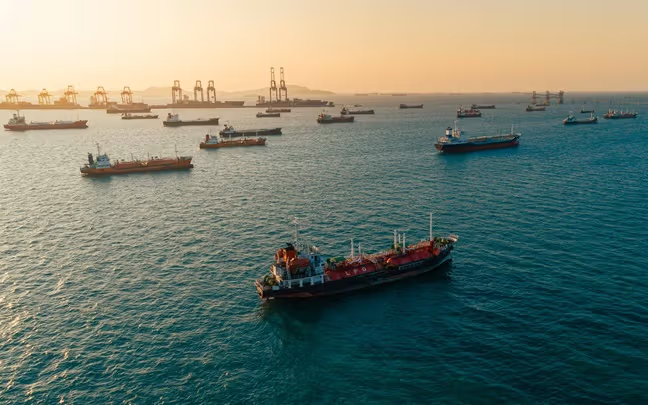
Global financial markets experienced sharp volatility after the United States announced a naval blockade of the Strait of Hormuz, escalating tensions following failed peace negotiations with Iran.
The move, announced by Donald Trump, triggered immediate reactions across global markets as investors weighed the risk of a prolonged conflict in the Middle East.
U.S. stock futures fell sharply following the announcement. Futures linked to the Dow Jones Industrial Average, S&P 500 and Nasdaq Composite all declined by more than one percent, reflecting growing investor concerns over geopolitical instability and potential disruptions to global trade.
Commodity markets reacted differently. While traditional safe-haven asset gold declined, with futures on the New York Mercantile Exchange dropping below $4,700 per ounce, oil prices surged dramatically amid fears of supply disruptions through the key shipping corridor.
West Texas Intermediate crude rose more than 8 percent to above $104 per barrel, while Brent Crude increased by over 7 percent on ICE Futures Europe.
Analysts say the collapse of negotiations between Washington and Tehran has heightened fears that the conflict could intensify, potentially tightening global energy supplies and placing additional pressure on an already fragile global economy.
The Strait of Hormuz remains one of the most important oil transit routes in the world, carrying roughly one-fifth of global petroleum shipments, making any disruption a major concern for energy markets and international trade.