

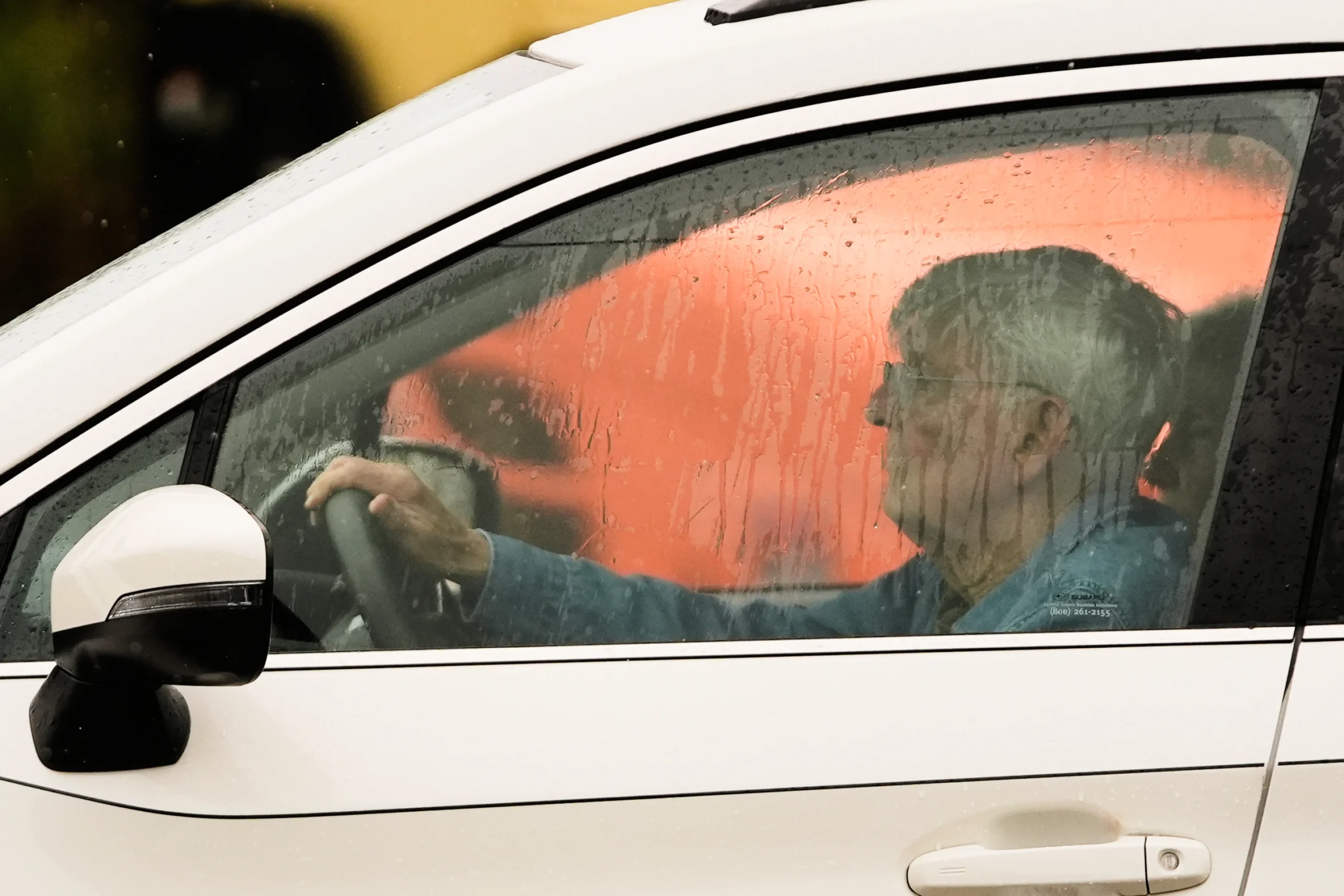
More than 726,000 electricity customers in Alabama and Florida were without power early Saturday after Hurricane Isaias struck the US Gulf Coast, causing flooding, damaging winds, fallen trees and widespread disruption across coastal communities.
The storm made landfall near Destin, Florida, on Friday as a Category 2 hurricane before moving inland through the region. Although it weakened rapidly after striking the coast, officials warned that heavy rainfall, flooding, dangerous winds and possible tornadoes could continue affecting parts of the southeastern United States.
The US National Hurricane Center reported early Saturday that Isaias had weakened to a post-tropical cyclone while crossing southern Alabama. Its latest advisory at the time recorded maximum sustained winds of approximately 65 miles per hour, or 100 kilometres per hour, with further weakening expected.
Forecasters warned that storm surges, urban and river flooding, flash floods and damaging wind gusts remained possible across southern Alabama, the Florida Panhandle and southwestern Georgia. Tornado risks were also expected to persist across parts of the region and extend into the Carolinas.
Flooding and Power Outages Disrupt Communities
The storm left roads flooded and debris scattered across communities along the Gulf Coast.
In Destin, floodwaters covered sections of roads, while police in Pensacola urged residents to remain indoors because fallen trees and other debris made travel dangerous. Residents also shared images of damaged properties, fallen power lines and trees across roadways.
Some counties in Florida’s Panhandle temporarily suspended emergency response operations on Friday night because conditions were too dangerous for responders.
In southern Alabama, officials reported fallen trees and power lines, while roads in Houston County were closed because of hazardous weather and flooding concerns.
PowerOutage.us, a company that tracks electricity disruptions, recorded more than 726,000 customers without electricity across Florida and Alabama early Saturday, according to The Associated Press.
Tim Mowry, a Pensacola resident who remained at home during the storm, described the force of the wind as resembling a train whistle as it passed through a gap in his patio door.
Mowry said he lost electricity at around 4:30 p.m. but was able to use a generator. Standing water covered his backyard, and sections of his fence were torn down.
Despite the damage, he said Pensacola had been relatively fortunate compared with what he had feared.
His son, who lives nearby, attempted to drive to his home after losing power but was forced to turn back because fallen trees and power lines blocked the roads.
Heavy Rain and Tornado Threats Continue
Despite the storm’s weakening, forecasters expected substantial rainfall across the affected region throughout the weekend.
Rainfall totals of four to eight inches, or approximately 10 to 20 centimetres, were forecast for southern Alabama, the Florida Panhandle, Florida’s Big Bend region and southwestern Georgia, with potentially higher totals in some locations.
The weather system was also expected to bring further rain and possible flooding across other parts of the Southeast, with impacts potentially extending into the Midwest and Northeast by Monday.
Officials urged residents to avoid flooded roads and follow instructions from emergency authorities as the threat continued inland.
Florida Governor Ron DeSantis had warned residents on Friday to stay off the roads as the hurricane approached.
“The storm is here. Buckle down at this point. Don’t be getting out on the roads,” DeSantis said at a news conference.
Flights Disrupted as Emergency Measures Continue
The hurricane also disrupted air travel across Florida’s Panhandle, with several airports experiencing significant interruptions on Friday.
All flights into and out of Destin-Fort Walton Beach Airport were grounded, according to the Associated Press report.
US President Donald Trump also cancelled plans to attend Saturday’s University of Georgia versus University of Alabama football game in Tuscaloosa. He said he did not want his visit to interfere with emergency response operations.
Emergency declarations were approved in Florida and Alabama to make federal resources available to assist affected communities, according to Reuters.
Other Storm Systems Threaten Parts of the Americas
Meanwhile, weather activity continued elsewhere in the Americas.
Hurricane Simon strengthened into a Category 4 storm in the eastern Pacific as it approached Mexico’s coast, while Tropical Storm Rachel was expected to bring heavy rain and strong winds to parts of northern Mexico and Southern California.
Authorities continued monitoring the separate weather systems as communities in the US Southeast dealt with the aftermath of Isaias.
The immediate concern across Alabama and Florida remained the restoration of electricity, clearance of blocked roads and prevention of further injuries from flooding, falling trees and hazardous weather conditions.