

African economies are once again confronting mounting debt pressures despite decades of debt relief initiatives, structural adjustment programs and support from the International Monetary Fund, as governments across the continent struggle to finance infrastructure, energy and climate priorities without deepening fiscal vulnerability.
The renewed concern comes as the Paris Club marks another anniversary, reviving debate over why debt distress continues to resurface across Africa even after repeated rounds of relief and policy reform.
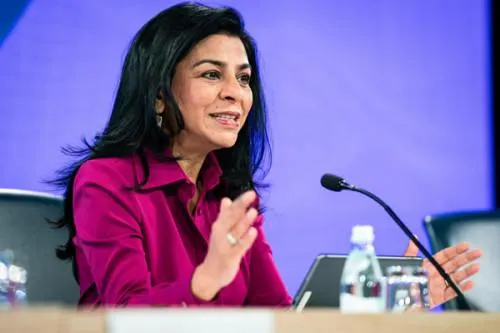
In an interview with Business Africa, Zeine Zeidane, the newly appointed Director of the IMF’s African Department, said the picture is more complex than a simple cycle of repeated failure, arguing that many African countries have in fact made meaningful progress but have also been battered by successive global shocks.
“A lot of African countries have actually broken the cycle,” Zeidane said, pointing to the role of IMF-supported programs in strengthening policy frameworks and stabilizing economies. But he noted that since 2000, African countries have also faced repeated external shocks, including the COVID-19 pandemic, armed conflicts and higher global interest rates, all of which have weakened fiscal positions and heightened debt vulnerabilities.
Zeidane said responsibility for recurring debt distress lies not only with global financial conditions but also with domestic policy choices and the structure of international development financing.
“External shocks have played an important role in debt dynamics,” he said, while stressing that governments must also strengthen fiscal discipline and push structural reforms that can support stronger and more durable growth. At the same time, he argued, the international community must continue to provide affordable financing to help African countries meet development needs without pushing them deeper into unsustainable debt.
The debt debate comes at a time when African governments are under intense pressure to invest in roads, power systems, climate resilience and industrial expansion while also responding to rising populations, unemployment and inflation.
Across the continent, however, economic adaptation is also taking new forms.
In Nigeria, a growing number of businesses are turning to stablecoins as a hedge against inflation and as a cheaper alternative for cross-border transactions. Pegged to major currencies such as the U.S. dollar, stablecoins are increasingly being used to preserve value and move money more efficiently than through traditional banking channels, positioning Nigeria as a key player in Africa’s evolving digital finance space.
In South Africa, entrepreneurs are also rewriting the rules of one of the country’s most established industries. The country’s wine sector generates about $3 billion annually, but entry into the market has traditionally required large capital investment. A new wave of micro-winemakers is challenging that model by farming on small urban plots and bypassing conventional retail chains, betting that distinctive local branding and direct-to-market strategies can compete with bigger producers.
Together, the trends reflect a continent navigating both old economic pressures and new forms of resilience — from sovereign debt burdens and fiscal reform to digital finance and small-scale enterprise innovation.
For policymakers, the challenge remains how to create a sustainable path to growth that reduces debt vulnerability without choking investment in the sectors Africa needs most.