

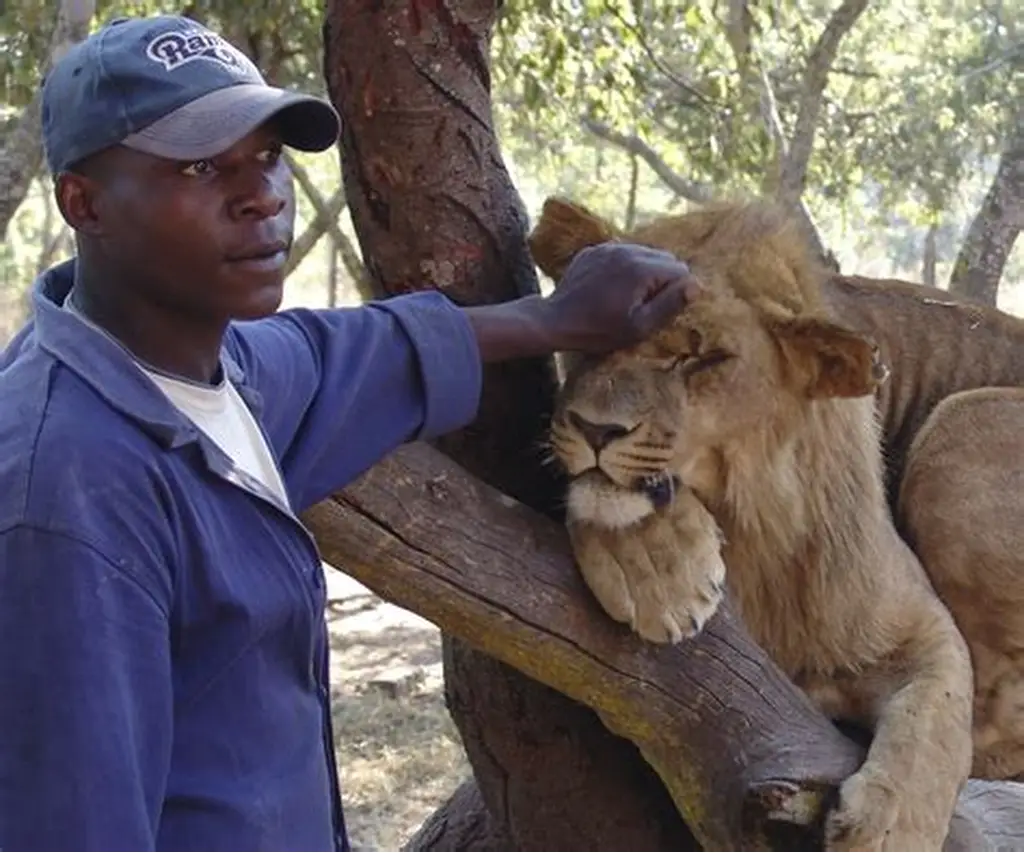
Kenya Wildlife Service (KWS) has unveiled plans to relocate the Nairobi Animal Orphanage, citing growing pressure from increased wildlife rescues and escalating human-wildlife conflicts driven by the country’s rapidly expanding population.
The 62-year-old facility, currently located on seven acres of land, will be moved to a new 89-acre site within Nairobi National Park under a master plan announced by KWS officials.
Authorities say the relocation will significantly improve animal welfare, expand rehabilitation capacity and enhance visitor experiences while helping the agency respond to the rising number of injured, orphaned and confiscated wild animals requiring care.
Speaking during a press briefing on Friday, KWS Director General Erastus Kanga said human-wildlife conflict remains one of the biggest challenges facing conservation efforts in Kenya.
“Human-wildlife conflict is our biggest challenge in our conservation journey and is largely caused because the interface between people and wildlife has declined. Our population has grown to nearly 60 million while the size of Kenya has remained the same, creating intense competition for space,” Kanga said.
According to KWS, the new facility will provide a more natural environment for rescued animals. Traditional metallic cages currently used at the orphanage will be replaced with natural enclosures designed in line with international animal welfare recommendations.
Officials said eight acres of the new site will be specifically dedicated to wildlife rescue, rehabilitation and recovery programmes.
The relocation plan, however, has sparked concerns among some conservationists who fear the project could affect wildlife habitats within Nairobi National Park.
KWS has dismissed those concerns, insisting the decision followed extensive planning and environmental assessments. The agency also stressed that no indigenous forest areas would be cleared to make way for the development.
“The new Nairobi Animal Orphanage is a forward-looking investment in conservation education and public service, ensuring that Kenya remains a leader in wildlife conservation while meeting the demands of a growing population and increasing human interactions,” Kanga said.
Construction of the new facility is expected to take approximately 18 months and is projected to cost between 3 billion and 4 billion Kenyan shillings.
KWS also ruled out any plans to privatize the facility, maintaining that it will remain under public management as part of Kenya’s national conservation infrastructure.
The Nairobi Animal Orphanage has served as a key wildlife rescue and rehabilitation centre since its establishment in 1964, caring for animals rescued from illegal wildlife trade, human-wildlife conflicts and other conservation-related incidents.