

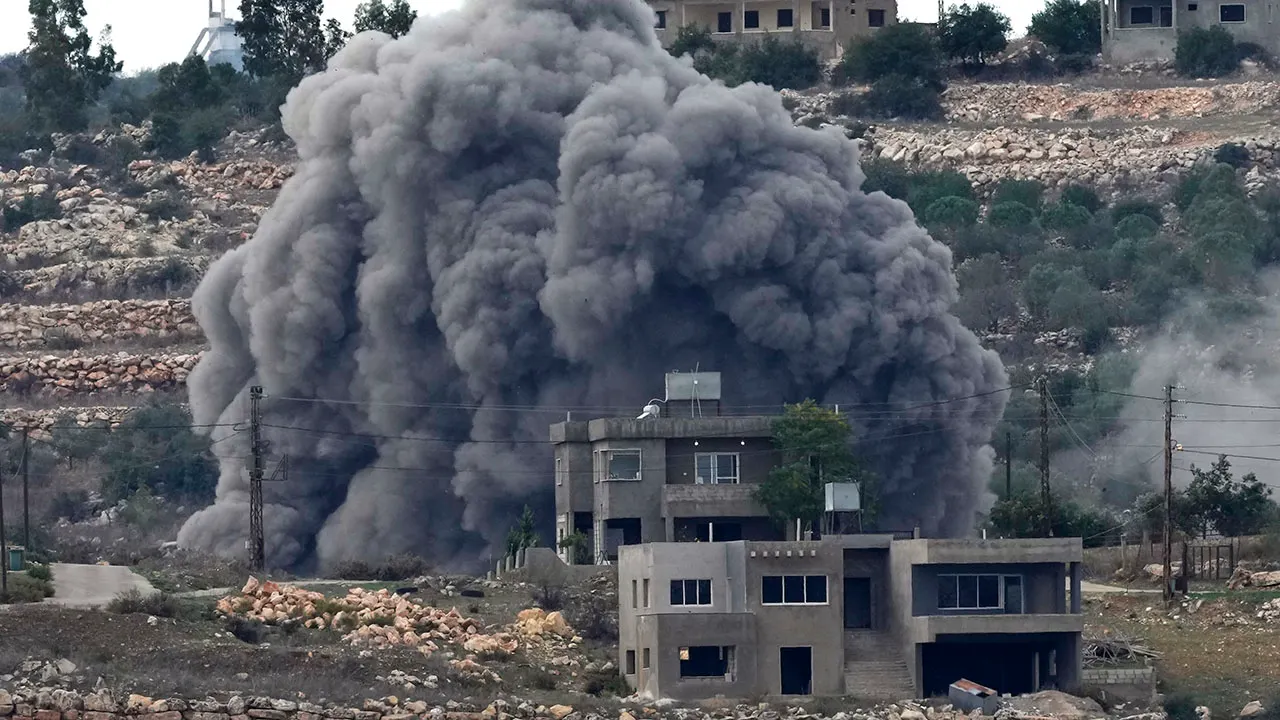
Iran targeted the world’s busiest international airport and commercial shipping routes Wednesday, as U.S. and Israeli strikes rocked Tehran. The United Nations’ most powerful body demanded an immediate halt to Iran’s attacks on its Gulf neighbors, citing threats to global oil supplies.
The latest attacks mark a sharp escalation in Iran’s campaign to inflict economic pressure on the United States and Israel to end the war that began 12 days ago. Despite the intensifying conflict, there are no signs of a ceasefire.
Fires and Attacks Across the Gulf
On Thursday, an Iranian strike sparked a major fire on Bahrain’s Muharraq Island, home to the country’s international airport. Authorities urged residents to stay indoors and close windows to avoid smoke. The site includes jet fuel tanks, along with other tanks serving Bahrain’s oil industry.
In Iraq, an attack on Basra port killed at least one person and temporarily halted operations at all oil terminals. Farhan al-Fartousi, director-general of the General Company for Ports of Iraq, confirmed the strike targeted a vessel in a ship-to-ship transfer area at the port on the Persian Gulf, while other commercial ports remained open.
Drones also hit near Dubai International Airport, wounding four people and causing a fire at a luxury apartment tower in Dubai Creek Harbor, according to the Dubai Media Office. In Oman, crews battled a blaze at fuel storage tanks at Port of Salalah, the Oman News Agency reported.
Global Economic Fallout
The conflict has disrupted trade routes, blocked cargo traffic through the Strait of Hormuz, and choked fuel and fertilizer supplies from the Gulf. In response, the International Energy Agency announced a historic release of 400 million barrels of emergency oil reserves, while the U.S. plans to release 172 million barrels from its Strategic Petroleum Reserve next week to stabilize energy markets.
The Pentagon estimated the first week of the war cost the United States $11.3 billion, including $5 billion on munitions alone.
UN Security Council Demands Halt
The U.N. Security Council voted 13-0 to demand that Iran cease its “egregious attacks” on Gulf nations. China and Russia abstained, arguing the resolution unfairly omitted the strikes against Tehran that triggered the war.
“The international community is resolute in rejecting these Iranian attacks against sovereign countries that are threatening stability in a region of strategic importance to global economy, energy, security and global trade,” said Bahrain’s U.N. ambassador, Jamal Alrowaiei.
Wider Middle East Conflict
Iran launched drones toward Irbil and Sulaymaniyah in Iraq’s Kurdistan region, and an oil vessel flying the Australian flag was struck near Khor Al-Zubair Port, with 25 crew members rescued.
Meanwhile, Israel carried out strikes across Lebanon and Tehran-linked targets, including areas in Beirut where displaced civilians were sheltering. Seven people were killed and 21 wounded in Ramlet al-Bayda. Explosions also shook Jerusalem and other parts of Israel after Hezbollah fired rockets across northern Israel.
Casualties continue to mount: Iran reports over 1,300 dead, Lebanon at least 634 fatalities, Israel 12, and the U.S. has lost seven soldiers with eight severely injured. The U.N. refugee agency reports at least 759,000 people have been internally displaced in Lebanon.
As the Middle East conflict deepens, global energy markets remain on edge, with supply disruptions and heightened tensions threatening economic stability worldwide.