

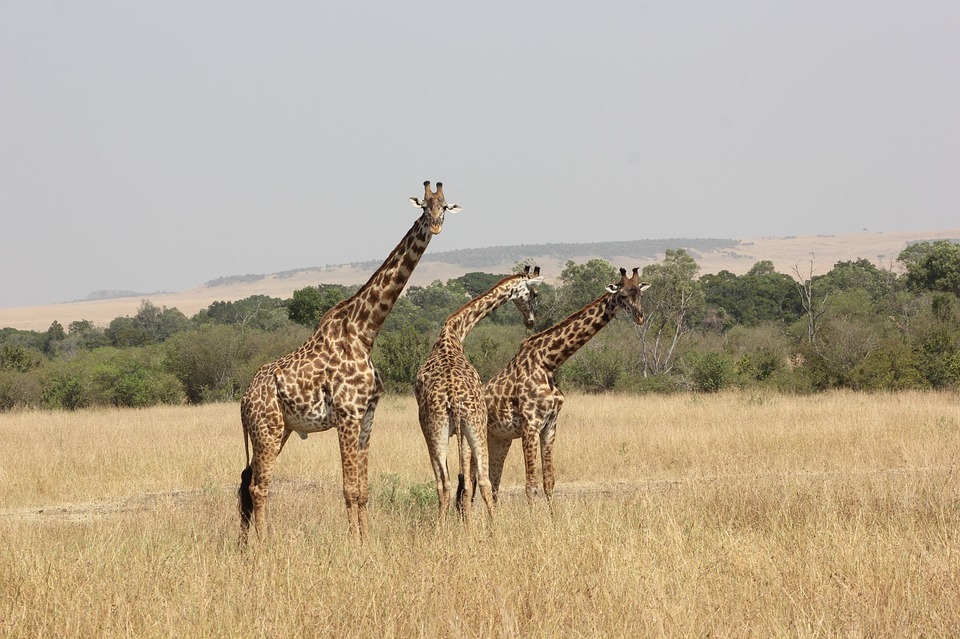
Uganda has begun relocating 12 endangered Nubian giraffes from Murchison Falls National Park to Ajai Wildlife Reserve in a major conservation effort aimed at protecting one of Africa’s rarest giraffe subspecies from growing environmental threats, including oil drilling.
The Uganda Wildlife Authority (UWA) says the translocation project is designed to preserve the Nubian giraffe population, enhance biodiversity, and expand tourism opportunities while safeguarding the species against habitat loss.
The move comes as Uganda accelerates plans to produce its first commercial oil, with an estimated 40 percent of the country’s oil reserves located in and around Murchison Falls National Park.
Oil Development Raises Conservation Concerns
In June 2023, French energy company TotalEnergies officially began drilling under the Tilenga oil project, located within the national park.
Wildlife officials say increasing oil and gas activities, combined with climate change, invasive species, tourism development, and habitat encroachment, have heightened the need to establish additional giraffe populations elsewhere.
“There is a lot of oil and gas activities going on here, tourism development, climate change, bush encroachment, invasive species and everything else,” said Patrick Atimnedi, Assistant Commissioner for Veterinary Services at the Uganda Wildlife Authority.
“Having a seed somewhere about 100 kilometres away from here within the same conservation area is the right conservation decision.”
Protecting the Species
The relocation involves tranquilizing the giraffes before carefully loading them into specially designed transport trailers for the journey to their new habitat.
According to UWA, creating separate populations reduces the risk of losing the species if a major environmental disaster or other calamity affects their existing habitat.
“When we do range expansion, you don’t want to have all your eggs in one place because if a calamity happens there, then you lose a species,” Atimnedi explained.
Restoring Ajai Wildlife Reserve
The giraffes are being introduced into Ajai Wildlife Reserve, a 166-square-kilometre protected area established in 1937.
The reserve once supported abundant wildlife but suffered severe losses during the early 1980s due to widespread poaching and prolonged insecurity.
Authorities are now restoring the ecosystem by reintroducing several species, including southern white rhinos, buffalo, zebras, and Uganda kobs, alongside the Nubian giraffes.
To protect the returning wildlife, parts of the reserve have been fenced, ranger patrols have been strengthened, and local communities have been engaged through conservation education and tourism revenue-sharing initiatives.
Communities Welcome Wildlife Return
Officials say local residents have embraced the conservation project despite the area’s troubled history.
“Even the ones who finished the previous animals are happy to receive these animals. Actually, they are celebrating,” said Wilson Katabigwa, Senior Warden in charge of Ajai Wildlife Reserve.
Once the relocation is completed, nearby communities will be invited to visit the reserve and witness the return of giraffes to an area where they have been absent for decades.
Wildlife authorities believe the project marks a significant step toward securing the future of Uganda’s endangered Nubian giraffes while balancing conservation efforts with the country’s expanding energy ambitions.