

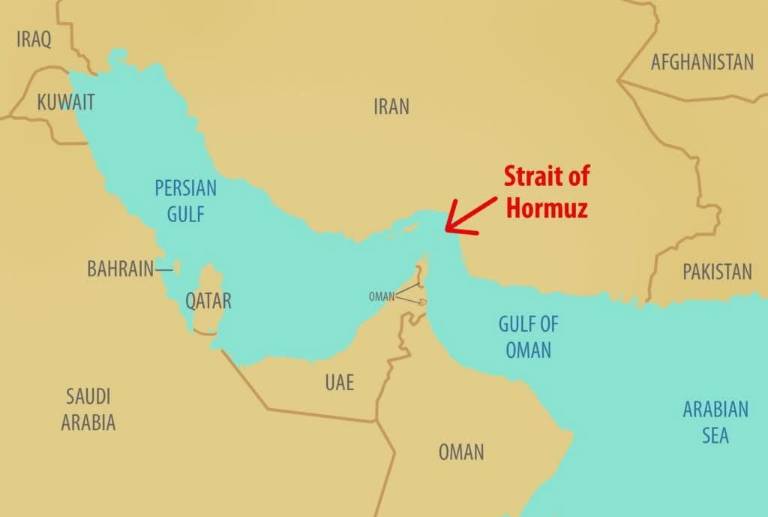
The United States and Iran are signaling heightened readiness amid intensifying diplomatic and military maneuvering, as senior U.S. officials prepare to meet Israeli Prime Minister Benjamin Netanyahu and Tehran warns that any attack would trigger an all-out response.
Senior U.S. figures Jared Kushner and Steve Witkoff are scheduled to meet Netanyahu in Jerusalem on Friday evening, according to officials familiar with the arrangements. The talks come as regional tensions remain elevated over Iran’s nuclear program, ongoing unrest inside Iran, and the expanding U.S. military posture in the Middle East.
U.S. military coordination and regional visits
At the same time, Brad Cooper, commander of U.S. Central Command, is in Israel as part of broader regional coordination. Cooper is expected to meet with Joni Ernst, who is visiting Israel with a congressional delegation and touring the Combined Multinational Coordination Center overseeing Gaza-related operations.
U.S. defense officials say the visits are aimed at alignment with allies as Washington assesses both deterrence and de-escalation options in the region.
Iran issues sharp warnings
Iran’s delegation to the United Nations warned on Friday that the country’s armed forces are prepared for worst-case scenarios. In a statement, Iranian officials said a military confrontation would risk destabilizing the wider region.
A senior Iranian official told Reuters that Tehran would regard any attack as “an all-out war” and respond “in the hardest way possible,” adding that Iran is on high alert and would react if U.S. forces violated its sovereignty.
Separately, Akbarzadeh, deputy commander of the Islamic Revolutionary Guard Corps Navy, claimed Iran has “smart” control over the Strait of Hormuz, asserting that Tehran no longer relies on traditional naval mines to exert influence over the strategic waterway. He framed the posture as leverage to push adversaries toward negotiations under Iran’s stated conditions.
Reports on Iran’s leadership posture
Regional media have also reported heightened security measures inside Iran. The Times of Israel cited claims that Supreme Leader Ali Khamenei has relocated to an underground bunker as U.S. naval forces move closer to the region. Iranian authorities have not confirmed the report.
Delayed military action and air defense concerns
Officials in the Middle East say any potential military action against Iran has been delayed in part due to concerns among Gulf states and Israel about the adequacy of existing air defense systems to withstand a large-scale Iranian counterattack.
Those concerns are now being addressed through the expansion of Patriot missile system and THAAD deployments, including at Al Udeid Air Base and other regional sites, according to defense sources.
Increased U.S. airlift and refueling activity
U.S. strategic airlift and aerial refueling operations have also increased across multiple theaters. Several C-17 Globemaster III planes were tracked overnight flying from the continental United States to Europe, a pattern analysts say points to sustained repositioning rather than a single surge.
At Al Udeid, four KC-135 Stratotanker aircraft departed, with initial flight paths suggesting a split movement toward Europe and the eastern Mediterranean. Updated tracking indicates that some tankers may be heading to Morón Air Base, a known refueling hub that has previously supported long-range bomber operations.
In parallel, the U.S. Air Force has deployed four KC-46 Pegasus tankers on a CORONET East mission from McGuire Air Force Base via Homestead Air Reserve Base, with onward routing likely toward Europe and the Middle East.
No signs of imminent strike
Despite the intensified military movements and rhetoric, U.S. and regional officials say there is currently no intelligence indicating an imminent strike on Iran in the coming days. Analysts note that the evolving posture appears aimed at reinforcing deterrence and maintaining leverage, while leaving space for diplomatic engagement.