


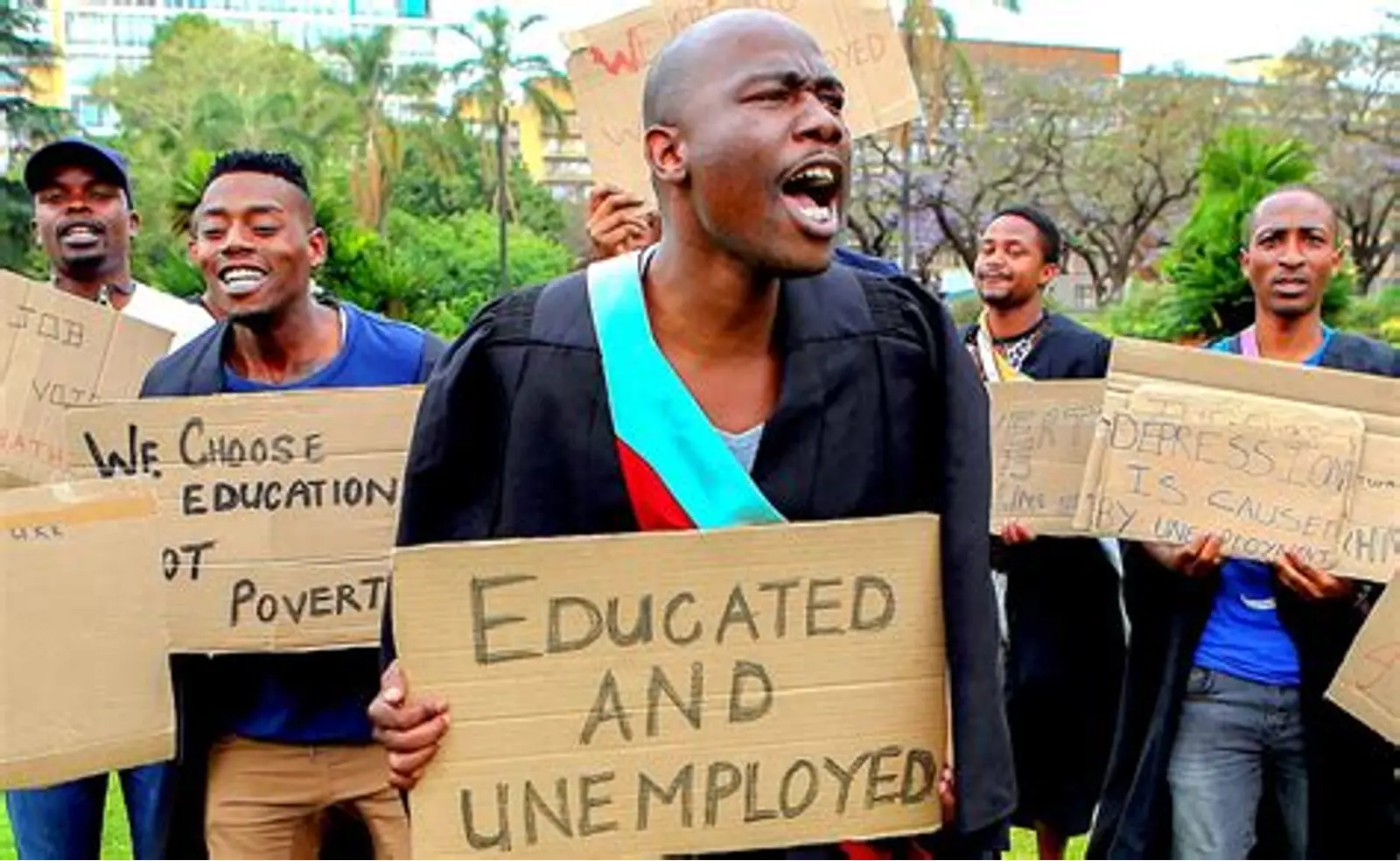
Across Africa, questions continue to emerge about the role of young people in holding political leaders accountable, particularly when government decisions raise concerns about the future of citizens and national development.
Young people represent a significant force in Africa’s social, economic and political landscape. Their participation in public debate, elections and civic activities can influence the direction of governance and shape the continent’s future.
Yet, in some political discussions, young people strongly defend leaders despite criticism of their policies, decisions or performance. This raises an important question: why do some young Africans continue to support political leaders whose actions critics believe could jeopardise their future?
Political Loyalty Versus Accountability
Political loyalty can be influenced by party affiliation, family background, community ties, ideology and personal experiences. For some young people, defending a political leader may be closely connected to their commitment to a political party or the policies it represents.
Others may believe that their preferred leaders deserve more time to deliver on their promises or that criticism from opponents is politically motivated.
However, when loyalty becomes unconditional, it can make it difficult for citizens to objectively assess government performance. Defending a leader regardless of the evidence may weaken public accountability and reduce pressure on authorities to address challenges affecting ordinary people.
The Influence of Political Division
Political polarisation can also shape how young people respond to criticism. In highly divided political environments, concerns about a leader may be interpreted as attacks on an entire party or its supporters.
This can discourage constructive debate, even when the issues under discussion involve employment, education, healthcare, corruption, economic opportunities and the quality of public services.
Social media can further intensify these divisions, particularly when political arguments prioritise party victories over evidence-based discussions of national challenges.
The Future Belongs to the Youth
Africa’s young population has a direct stake in decisions concerning public finances, education, job creation, environmental protection and economic development. These decisions can influence opportunities available to present and future generations.
Young people therefore have an important role to play in demanding transparency, asking difficult questions and evaluating leaders on the basis of their actions and results.
Supporting a political party does not have to mean defending every decision made by its leaders. Citizens can acknowledge achievements while questioning shortcomings and demanding improvements.
Beyond Political Parties
The central issue is not whether young Africans should support or oppose particular leaders. Rather, it is whether political support is guided by critical thinking, credible information and the public interest.
A healthy democracy depends on citizens who can disagree respectfully, examine evidence and hold leaders accountable regardless of party affiliation.
For Africa’s youth, the challenge is to place the long-term interests of their communities and countries above unconditional political loyalty. Leaders may change, parties may rise and fall, but the consequences of public decisions can affect generations.
The question, therefore, remains: Are young Africans defending leaders because their decisions genuinely serve the public interest, or because political loyalty has made questioning those decisions increasingly difficult?
That is a conversation worth having across the continent.
Editorial note: This opinion piece raises questions for public discussion and does not suggest that all African youth defend political leaders uncritically.

