

A ship was struck by an unidentified projectile while sailing out of the Strait of Hormuz early Tuesday, raising fresh concerns over the safety of commercial shipping through the strategically vital waterway as Iran insists it will not fully reopen the passage until the United States meets its demands.
The United Kingdom Maritime Trade Operations (UKMTO) said the projectile damaged the vessel’s engine room and resulted in a crew casualty off the coast of Oman. The identity of the ship, its cargo and the condition of the affected crew member were not immediately disclosed.
The Omani Coast Guard was assisting other crew members while authorities investigated the incident.
There was no immediate claim of responsibility for the attack.
Iran Sets Conditions for Reopening Strait
The latest incident comes as Iran continues to restrict shipping through the Strait of Hormuz, a crucial energy corridor through which roughly one-fifth of the world’s traded oil passed before the current war.
Iranian parliamentary speaker and former negotiator Mohammad Bagher Qalibaf said Tuesday that Tehran would maintain its restrictions until Washington fulfills a series of conditions.
Qalibaf said Iran wants the United States to lift its blockade, release frozen Iranian assets, remove oil sanctions, end military operations and threats against Iran, and implement other commitments made under previous agreements.
“Until the United States fulfills its commitments under the agreement … the Strait of Hormuz will not reopen,” he said.
The United States is currently blockading Iranian shipping traffic through the waterway, while negotiations between Washington and Tehran remain stalled.
Iran and Oman Discuss Shipping Arrangement
Despite the impasse between Iran and the United States, Tehran has been holding separate discussions with Oman over a mechanism for managing commercial vessels attempting to transit the strait.
Iran said Monday that negotiations with Oman were nearing completion and that the two countries were working toward a joint statement.
Following talks between Egyptian Foreign Minister Badr Abdelatty and Omani Foreign Minister Badr al-Busaidi, Egypt said an agreement between Iran and Oman could potentially create a pathway for Washington and Tehran to resume negotiations.
The Egyptian Foreign Ministry said such an arrangement could help facilitate talks toward a “comprehensive and permanent deal” addressing outstanding concerns and improving regional security.
Fresh Concerns Over Oil Supply
The latest attack has renewed fears over the impact of the conflict on global energy supplies.
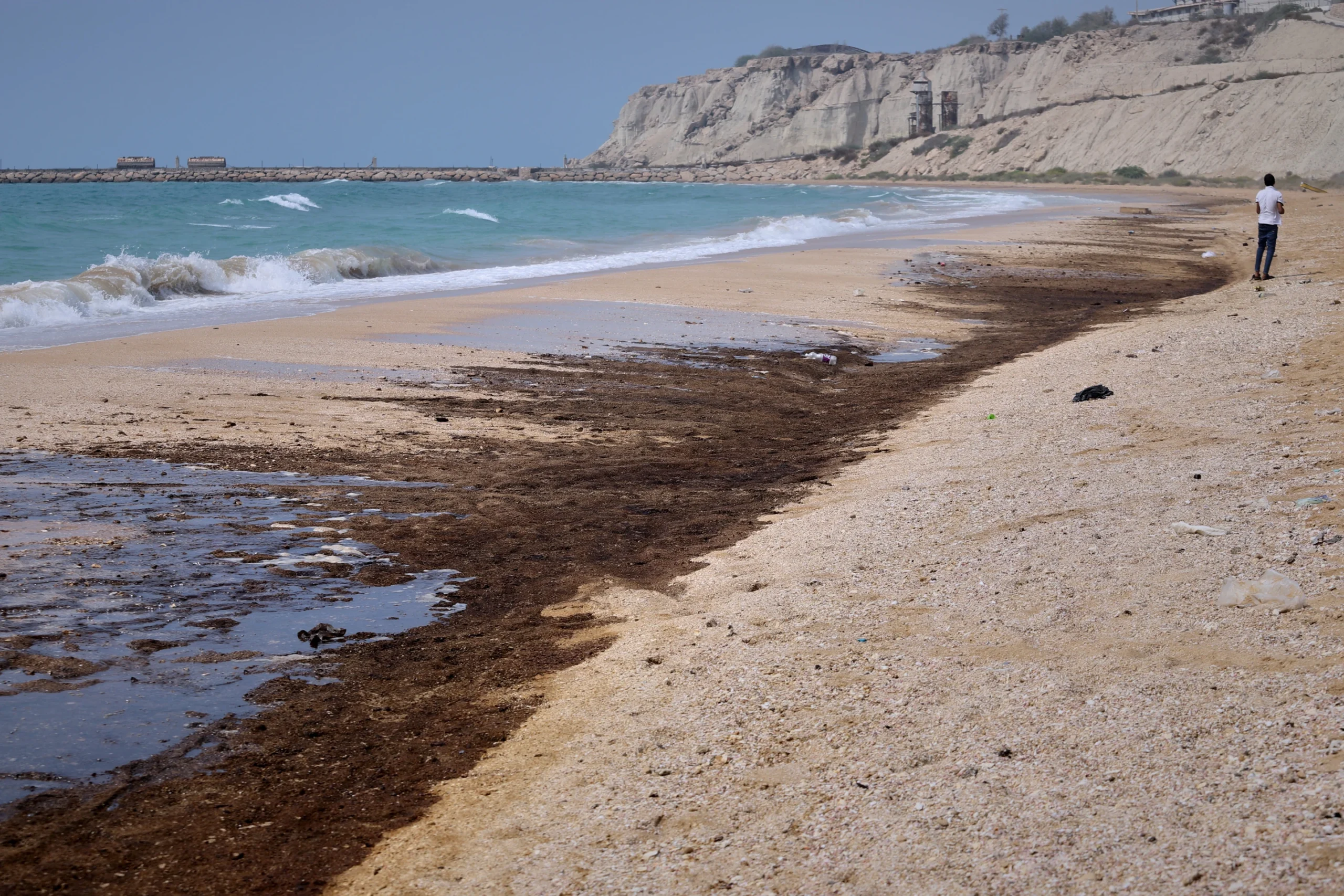
Several vessels have reportedly been damaged while attempting to navigate the Strait of Hormuz, increasing concerns about possible oil spills and environmental damage in the Persian Gulf and surrounding waters.
No environmental damage was reported following Tuesday’s incident, according to the UKMTO.
With commercial shipping already heavily restricted, continued attacks could further increase shipping risks, insurance costs and pressure on international oil markets.
Houthis Claim Attack on Saudi Oil Facility
Elsewhere in the region, Yemen’s Iran-backed Houthi rebels claimed responsibility for a drone attack targeting an oil refinery operated by Saudi Aramco in Saudi Arabia.
The Houthi-run SABA news agency reported that drones were launched against the facility, although there was no immediate confirmation from Saudi authorities of damage or casualties.
The development raises fears that the wider Iran conflict could create additional fronts across the Middle East.
The Houthis have also intensified attacks against forces aligned with Yemen’s government, Saudi interests and shipping in the Red Sea, an important alternative route for vessels seeking to avoid the Strait of Hormuz.
The United Nations said at least 17 civilians have been killed in government-controlled areas of Yemen as a result of rebel attacks since August 6, while two casualties were reported in Houthi-controlled territory in late July.
Erdogan Urges Trump to Pursue Diplomacy
Turkish President Recep Tayyip Erdogan has meanwhile urged U.S. President Donald Trump to continue pursuing a diplomatic solution to the conflict with Iran.
The appeal came as a 60-day negotiating period between Washington and Tehran expired without an apparent breakthrough or confirmed extension.
According to Turkey’s presidential communications office, Erdogan emphasized the importance of making maximum use of diplomacy amid escalating tensions.
Turkey, which shares a border with Iran and is a NATO member, has sought to position itself as a regional actor capable of supporting efforts to prevent further escalation.
The widening confrontation now places the Strait of Hormuz, Gulf shipping, regional oil infrastructure and diplomatic efforts at the center of a rapidly evolving Middle East crisis.