

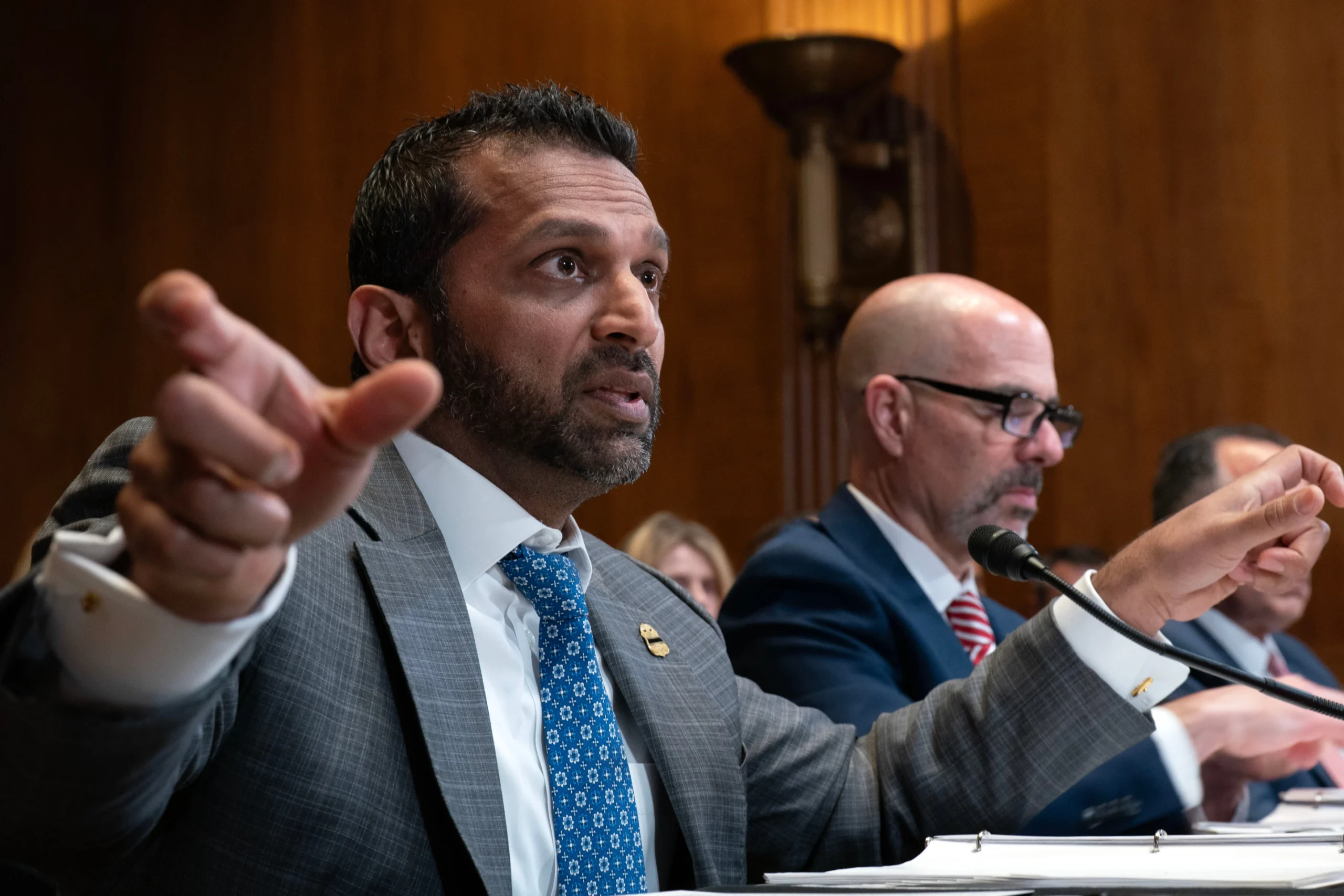
FBI Director Kash Patel is facing renewed scrutiny after reports revealed he took part in an exclusive snorkeling excursion around the USS Arizona memorial during an official visit to Hawaii last summer.
According to government emails obtained by The Associated Press, Patel joined what officials described as a “VIP snorkel” around the sunken battleship at Pearl Harbor days after conducting official FBI engagements in Honolulu.
The USS Arizona memorial marks the resting place of more than 900 sailors and Marines killed during Japan’s attack on Pearl Harbor in 1941 and is considered one of the most sacred military sites in the United States.
While the FBI publicly highlighted Patel’s meetings with local law enforcement and his walking tour of the bureau’s Honolulu field office during the August visit, the agency did not disclose the snorkeling session or that Patel later returned to Hawaii for an additional two-day stay.
Critics have questioned whether the outing blurred the line between official duties and personal privileges.
“It fits a pattern of Director Patel getting tangled up in unseemly distractions,” said Stacey Young, founder of Justice Connection, a network of former federal prosecutors and agents advocating for Justice Department independence.
Military officials confirmed the excursion took place, though the FBI declined to answer detailed questions about how it was arranged.
A Navy spokesperson said participants were instructed not to touch the wreck and were briefed on the memorial’s historical significance before entering the water.
Snorkeling and diving around the USS Arizona are generally prohibited except for approved scientific surveys, military operations or burial ceremonies for surviving veterans. However, officials acknowledged that select government and military dignitaries have occasionally been granted access over the years.
Former government divers familiar with operations at the memorial told AP that no FBI director dating back to at least 1993 had previously participated in such an excursion.
Emails obtained through public records requests showed military personnel coordinated logistics for what was internally referred to as a “VIP Snorkel.”
The National Park Service, which jointly manages the memorial with the Navy, said it was not involved in Patel’s excursion and declined to comment further.
Some veterans criticised the decision to allow political figures access to the restricted site.
“It’s like having a bachelor party at a church. It’s hallowed ground,” said Marine veteran Hack Albertson, who participates in authorised dives to monitor the condition of the wreck.
Others, including some relatives of Pearl Harbor survivors, said they did not object to rare official visits but questioned why family members themselves are not granted similar access.
The controversy adds to broader scrutiny surrounding Patel’s leadership and use of government resources during his tenure as FBI director.
Earlier this year, Patel also faced criticism after appearing in celebratory locker room footage with members of the US men’s hockey team during the Winter Olympics in Milan. Patel later defended that trip, saying it was connected to an international cybercrime investigation.
Patel’s Hawaii stop came shortly after official visits to Australia and New Zealand, where he opened the FBI’s first standalone office in New Zealand. That visit also sparked controversy after reports emerged that Patel had gifted local officials inoperable 3D-printed replica pistols that reportedly violated New Zealand firearm laws.
Flight records reviewed by AP showed the FBI’s Gulfstream jet remained in Hawaii for two nights before continuing to Las Vegas, Patel’s adopted hometown. Authorities have not disclosed the full purpose of the extended stay.