

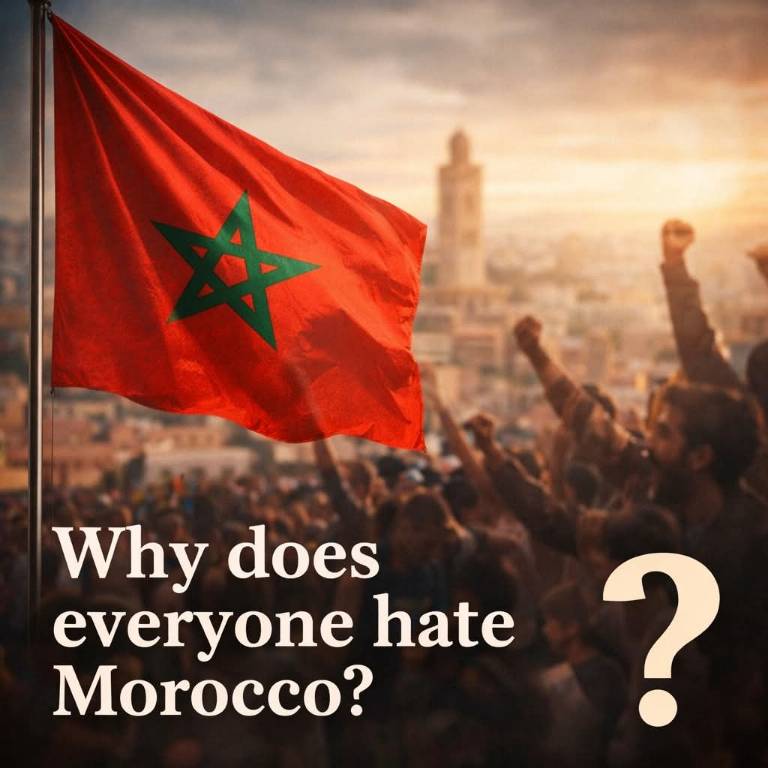
A growing public debate has emerged in Morocco following the country’s exit from the Africa Cup of Nations (AFCON), with many Moroccans questioning what they see as an unusual level of hostility directed at the national team.
Across social media platforms and comment sections, some Moroccan fans observed that reactions to the team’s defeat appeared more celebratory than the victory of eventual winners Senegal. The sentiment, they say, was visible among commentators and fans from across Africa, including North Africa and sub-Saharan regions, as well as from parts of Europe.
The reaction has prompted introspection rather than calls for confrontation. Commentators within Morocco are urging restraint, arguing that the moment should be used to reflect rather than respond with anger or a sense of victimhood.
Several questions are now being openly discussed: whether Morocco faces a communication challenge internationally, whether the country’s diplomatic and sporting posture emphasizes goodwill at the expense of assertiveness, or whether such reactions are an unavoidable reality of growing prominence on the continental and global stage.
Observers note that Morocco’s recent sporting successes and rising influence may have shifted perceptions, placing the country under closer scrutiny and, in some cases, resentment. They point to online reactions surrounding the AFCON campaign as evidence of this changing dynamic.
While opinions differ on the underlying causes, there is broad agreement among Moroccan commentators that the issue warrants calm and mature discussion. Many stress that the focus should remain on understanding perceptions and refining how Morocco presents itself internationally, rather than targeting critics or fueling divisions.
The debate continues as fans and analysts alike reflect on what the AFCON experience reveals about Morocco’s evolving role in African football and beyond.