

A bipartisan coalition in the U.S. House of Representatives on Wednesday moved to revive an enhanced pandemic-era health insurance subsidy, defying Speaker Mike Johnson and GOP leadership to advance a measure aimed at lowering costs for roughly 22 million Americans.
Lawmakers voted 221–205 to push the bill forward after four centrist Republicans joined Democrats in signing a rare discharge petition to force the issue to the House floor. The subsidies, which expired last month, had reduced premiums for people buying coverage through the Affordable Care Act, commonly known as Obamacare. Final passage in the House is expected on Thursday.
Supporters said inaction was no longer viable as many constituents began facing higher insurance premiums this month. Rep. Mike Lawler of New York, one of the Republicans backing the move, said the House vote could help spur compromise in the Senate.
In total, nine Republicans joined Democrats to advance the measure, highlighting fractures within the GOP caucus and weakening leadership control over the House agenda.
If passed, the bill would extend the tax credits for three years. However, the Senate is not obligated to take it up. Senate leaders from both parties are instead discussing alternative proposals, including a shorter two-year extension and new program changes.
Senate Majority Leader John Thune said any Senate-backed plan would likely include income limits, a requirement that beneficiaries contribute at least a nominal amount toward coverage, and expanded health savings accounts to prevent insurers from exploiting the system.
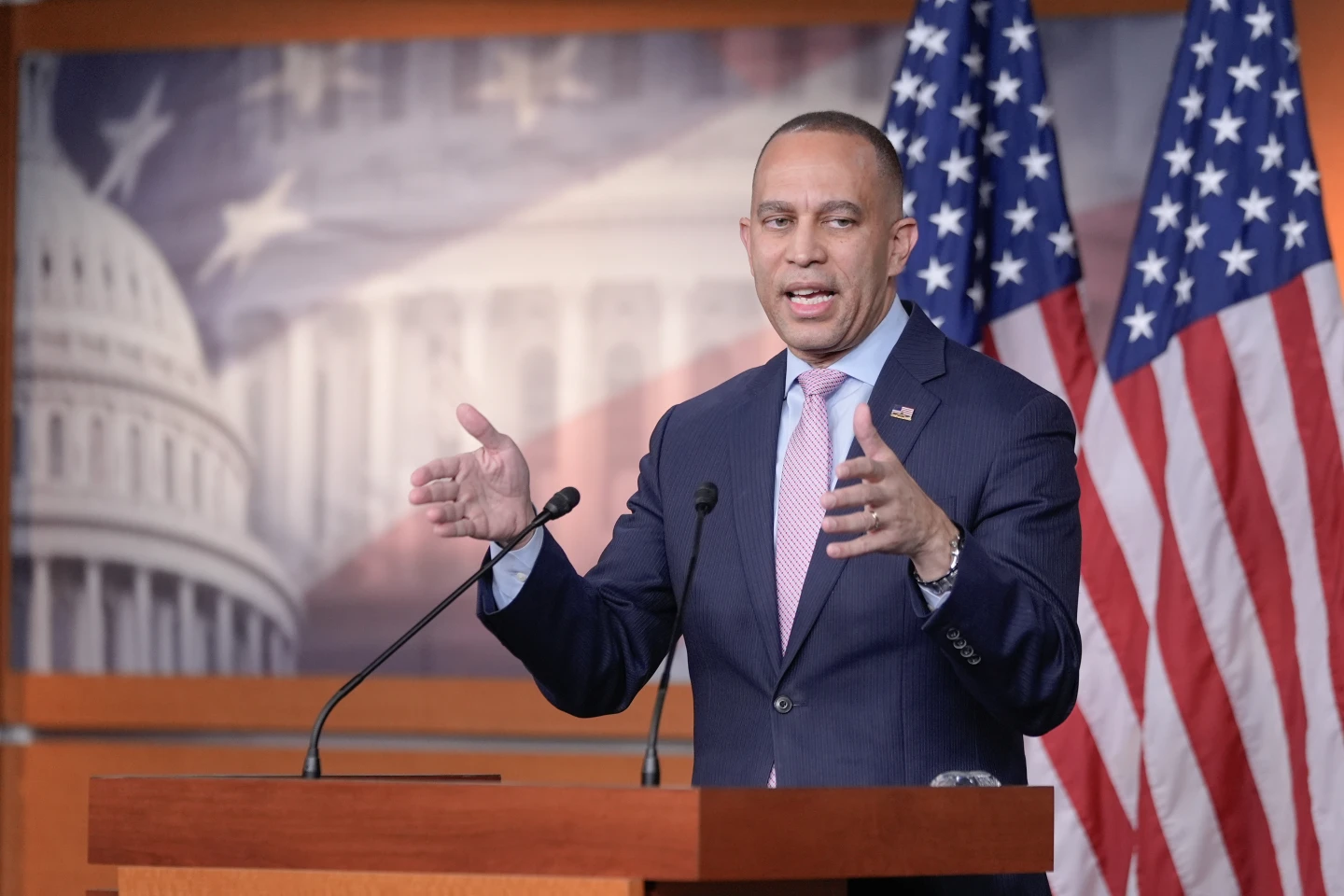
Democrats are using the issue to sharpen their message ahead of the fall elections, arguing that rising healthcare costs will be central to voters’ concerns. Democratic Leader Hakeem Jeffries urged lawmakers in competitive districts to support action, saying millions risk losing access to affordable care.
The discharge petition was signed by Republican Reps. Brian Fitzpatrick, Robert Bresnahan and Ryan Mackenzie of Pennsylvania, along with Lawler of New York all representing swing districts likely to play a decisive role in determining control of the House next year.
While discharge petitions are rarely successful, the current Congress has seen increased use of the tactic, reflecting growing bipartisan frustration with leadership gridlock on high-profile issues.