

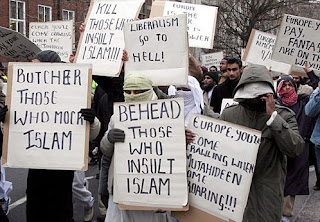
An alleged call by an imam in Ghana urging his followers to behead anyone who insults Prophet Mohammed has sparked concern on social media and renewed debate over religious extremism, freedom of expression and public safety.
The reported comments come amid a wider public discussion over the government’s announcement concerning the introduction of Arabic as an optional subject in Ghana’s public schools.
According to the information circulating online, the imam allegedly encouraged followers to take violent action against people who insult the Islamic prophet. The remarks have prompted calls from social media users for Ghanaian authorities to investigate the statement and determine whether it constitutes a criminal offence.
The identity of the imam, the exact location where the comments were made and the full context of the remarks could not be independently established from the information available for this report.
The alleged statement has nevertheless generated significant reaction, particularly among commentators concerned that religious disagreements could escalate into threats or violence.
Ghana’s Constitution protects freedom of religion and expression, while the country’s criminal laws prohibit threats and other forms of incitement to violence. Any investigation would therefore be expected to establish the precise words used, their context and whether they amounted to an actionable threat or incitement.
The controversy comes as the government faces public discussion over the proposed expansion of Arabic-language education in public schools. Supporters of Arabic instruction have described the language as an educational and cultural subject, while critics have raised broader questions about religious influence and the role of faith-based education within the public-school system.
Authorities had not publicly announced an investigation into the alleged comments at the time of publication.
The incident has also intensified calls from online commentators for law-enforcement authorities to address religiously motivated threats consistently, regardless of the religious or political identity of the person making them.