

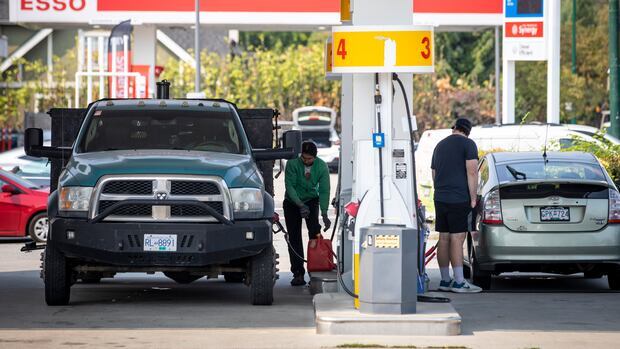
Oregon voters have rejected a controversial increase in the state’s gas tax and transportation fees, delivering a political victory to Republicans who campaigned against the measure amid rising fuel prices linked to tensions surrounding the Iran conflict.
The referendum, known as Measure 120, overturned legislation passed last year by Oregon’s Democratic-controlled legislature that raised the state gas tax by six cents per gallon and increased several transportation-related fees. The additional revenue was intended to fund road repairs and address a growing budget shortfall caused by declining fuel tax income as more drivers switch to electric and hybrid vehicles.
Republican leaders celebrated the outcome Tuesday night, describing it as a clear message from voters frustrated by the rising cost of living.
“Oregon voters will not be ignored. Oregon taxpayers will not be ignored,” Republican state Senator Bruce Starr, who helped lead the repeal campaign, told The Associated Press.
The vote came as gasoline prices across the United States surged following the ongoing conflict involving Iran, creating difficult political conditions for Democrats who had argued the tax increase was necessary to sustain infrastructure investment.
Democrats acknowledged that the timing of the referendum worked against them, especially as national party leaders continue emphasizing affordability concerns ahead of the midterm elections.
Governor Tina Kotek and U.S. Senator Jeff Merkley both secured victories in their Democratic primaries on Tuesday. Meanwhile, Republican state Senator Christine Drazan won the GOP gubernatorial primary and is expected to challenge Kotek in November.
Despite the major statewide races, the gas tax referendum dominated political discussion across Oregon.
Republicans framed the tax increase as an added financial burden on residents already struggling with higher fuel and living costs. Democrats countered by blaming the spike in fuel prices on President Donald Trump’s military actions involving Iran.
The failed legislation had been designed to stabilize Oregon’s transportation budget as traditional fuel tax revenues decline due to the increasing adoption of fuel-efficient vehicles.
In Portland, voters expressed mixed reactions as they cast ballots.
“I feel like the roads need to be repaired as a bicyclist, so I voted yes,” said Gail Watnick, a 56-year-old Portland resident.
But others opposed the measure due to economic concerns.
“With the gas prices being up and with the war that is occurring, it’s very difficult for folks to get around,” said 25-year-old voter David Trujillo.
The referendum campaign gained momentum shortly after Governor Kotek signed the transportation funding bill into law. Republican organizers quickly gathered enough signatures to place the measure before voters.
The outcome is expected to deepen debate over how Oregon will finance transportation infrastructure in the future as reliance on traditional gasoline taxes continues to decline.