

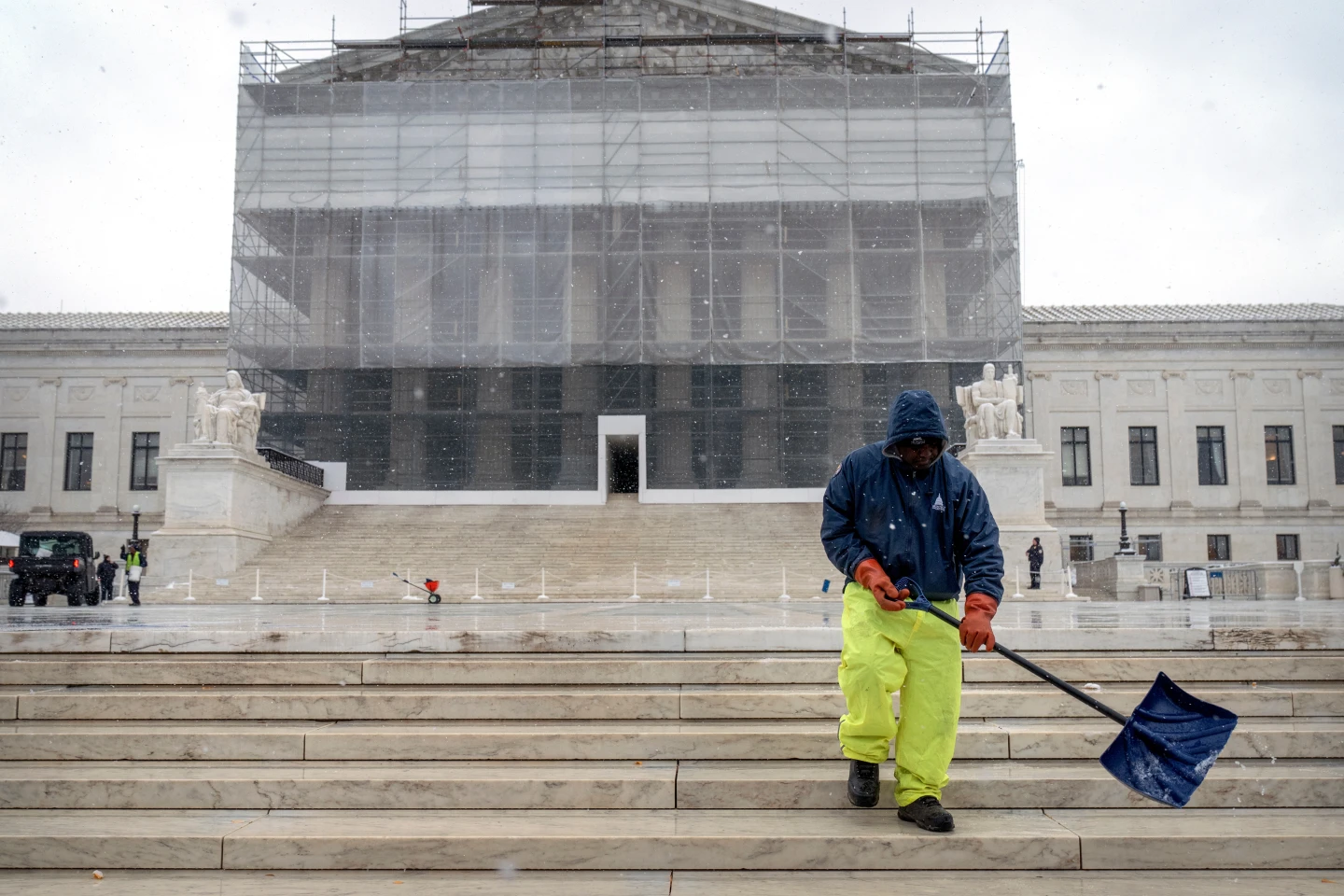
The Trump administration’s sweeping effort to assert greater control over traditionally independent federal agencies reached the U.S. Supreme Court on Monday, where justices signaled openness to overturning a long-standing precedent that limits presidential authority to fire agency officials.
At issue is the dismissal of former Federal Trade Commission (FTC) member Rebecca Slaughter, whom President Donald Trump removed without cause. Government lawyers urged the court to strike down Humphrey’s Executor, a 1935 ruling that restricts presidents from removing FTC commissioners except for misconduct or neglect.
The case marks the most significant challenge in decades to the structure of independent agencies — institutions deliberately insulated from political influence.
The court’s conservative majority appeared sympathetic to the administration’s position. Earlier rulings allowed the removal of officials from the National Labor Relations Board, the Merit Systems Protection Board, and the Consumer Product Safety Commission, even as their legal challenges continue.
Only two officials — Federal Reserve governor Lisa Cook and U.S. Copyright Office chief Shira Perlmutter — have so far avoided removal. The court has hinted it views the Federal Reserve differently, given the potential economic instability that could follow large-scale leadership disruptions. President Trump has accused Cook of mortgage fraud, allegations she denies.
A secondary legal question may determine the future of Cook’s position. The justices are weighing whether courts have the authority to reinstate unlawfully dismissed officials, or only to authorize back pay. Justice Neil Gorsuch previously suggested reinstatement may not be an available remedy, a stance that could limit judicial power in disputes over firings.
The debate unfolds against a backdrop of a decade-long shift led by Chief Justice John Roberts, whose opinions have gradually broadened presidential removal powers. In 2020, Roberts wrote that presidential authority to fire executive officials is the “rule, not the exception,” backing Trump’s dismissal of the Consumer Financial Protection Bureau director. The court reaffirmed this view in its 2024 presidential immunity ruling, declaring removal among the president’s core powers Congress cannot restrict.
Monday’s hearing also revisited the origins of the issue: the 1935 firing of FTC commissioner William Humphrey by President Franklin Roosevelt, a dispute that led to the original precedent now under review.
A ruling redefining the limits of presidential authority could reshape the legal foundation of numerous federal agencies, altering the balance between political oversight and institutional independence.