

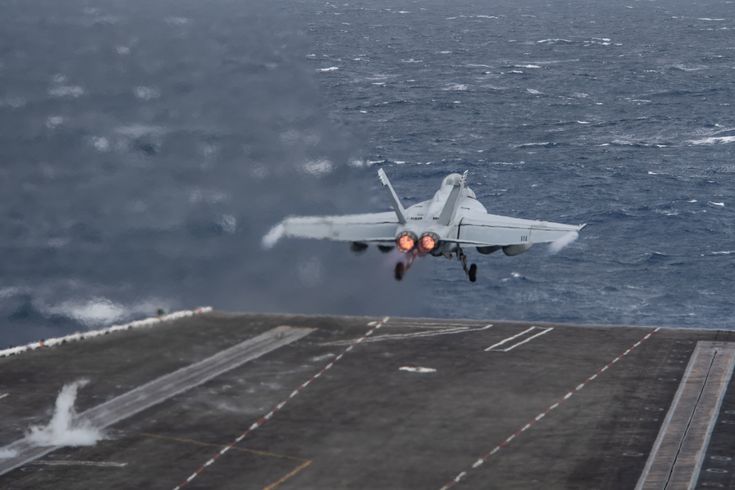
The conflict between the United States and Iran escalated sharply after intense American and Israeli strikes targeted locations inside Iran, while Tehran responded with attacks on shipping and energy infrastructure across the Gulf region. The intensifying confrontation is sending global oil prices surging and raising fears of a wider regional war.
The latest round of strikes is part of a rapidly expanding military campaign that has already triggered disruptions in energy supply routes and international trade. Oil prices have climbed above $100 per barrel as markets react to the growing instability and the threat to shipping lanes in the Persian Gulf.
Escalating Military Confrontation
American and Israeli forces have carried out heavy bombardments targeting Iranian military and strategic sites, while Iran has retaliated by launching missile and drone attacks against regional infrastructure and maritime traffic.
The conflict has already caused significant casualties and displacement across the region. Iranian authorities report more than 1,300 deaths, while hundreds have been killed in neighboring countries affected by the fighting. Thousands more have been forced to flee their homes as the war spreads across multiple fronts.
Global Energy Markets on Edge
Energy markets have reacted strongly to the fighting. Concerns over disruptions to oil shipments from the Gulf have pushed prices sharply higher, with Brent crude surpassing $100 per barrel amid fears that supply could be severely restricted.
Much of the concern centers on the Strait of Hormuz, one of the world’s most critical maritime passages for oil exports. Roughly one-fifth of global oil trade normally moves through the narrow waterway, meaning any disruption could send shockwaves through the global economy.
Economic and Political Fallout
The war is already proving costly. The U.S. military reportedly spent more than $11.3 billion during the first week of the conflict, including billions on munitions used in the early stages of the campaign.
Meanwhile, rising fuel costs are becoming a political issue in the United States, where gasoline prices have climbed rapidly. Critics warn that the ongoing conflict could worsen inflation and increase living costs if energy prices continue to rise.
As both sides intensify military operations, analysts warn the war could further destabilize the Middle East and disrupt global energy markets if fighting continues around critical oil infrastructure and shipping routes.