

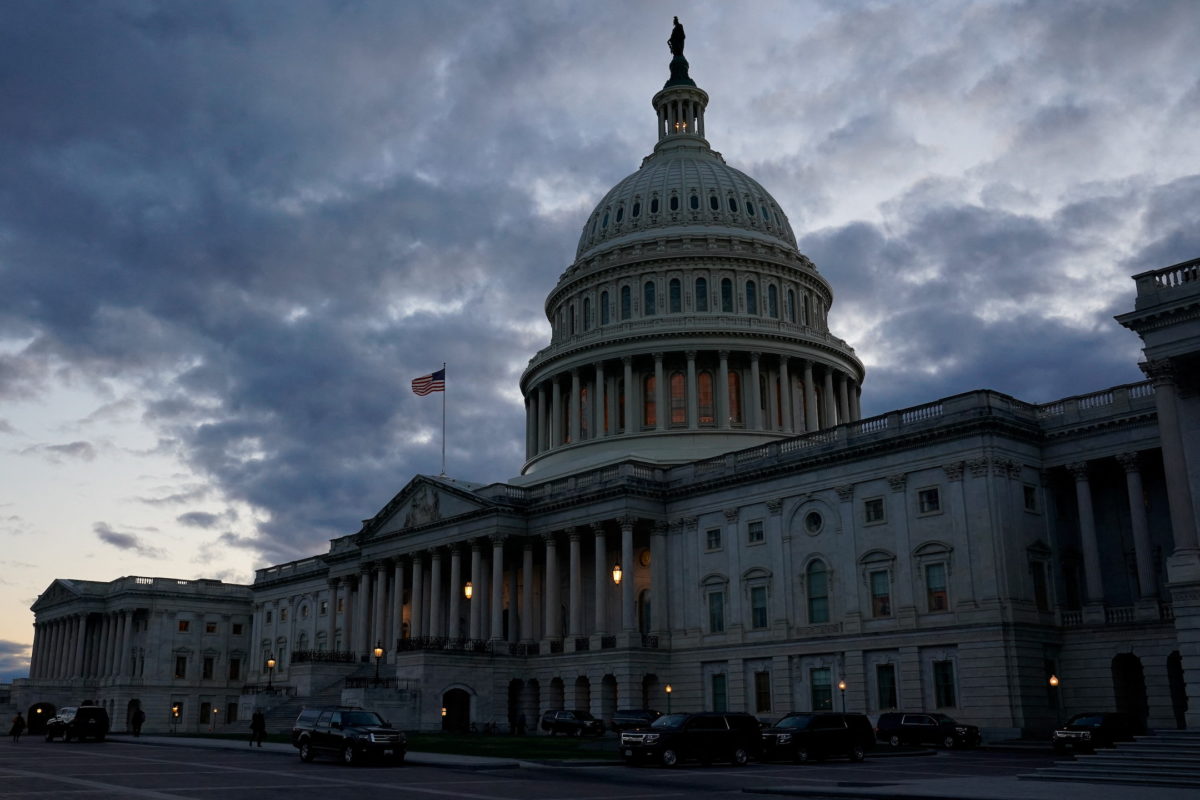
A partial shutdown of the United States government entered its second day on Sunday as lawmakers and the White House showed no signs of compromise in a growing dispute over oversight of federal immigration officers, leaving the Department of Homeland Security (DHS) without full funding.
The shutdown began Saturday after congressional Democrats and President Donald Trump’s administration failed to agree on legislation to fund DHS through September. The deadlock centers on Democratic demands for tighter controls on immigration enforcement following the fatal shootings of U.S. citizens Alex Pretti and Renee Good by federal officers in Minneapolis last month.
With Congress now in recess until February 23, both parties remain entrenched. The funding lapse affects key agencies under DHS, including the Transportation Security Administration (TSA), Federal Emergency Management Agency (FEMA), U.S. Coast Guard, Secret Service, U.S. Immigration and Customs Enforcement (ICE), and U.S. Customs and Border Protection (CBP).
Despite the shutdown, immigration enforcement operations are continuing. ICE and CBP remain funded through billions of dollars allocated under Trump’s 2025 tax and spending law, which can be used for deportation activities. DHS officials estimate that about 90 percent of the department’s workforce will continue working during the shutdown, though many will do so without pay, raising concerns about financial hardship for affected employees.
At the heart of the impasse are Democratic proposals requiring immigration agents to clearly identify themselves, remove masks during operations, wear body cameras, and obtain judicial warrants before making arrests on private property. The White House has rejected several of these demands.
Border policy adviser Tom Homan said the administration would not agree to restrictions on masks or identification requirements, citing safety concerns for officers. While acknowledging discomfort with masked operations, Homan argued that anonymity is sometimes necessary to protect agents and their families.
Senate Minority Leader Chuck Schumer defended the Democratic position, describing the proposals as standard law enforcement practices already in use across the country. He questioned why Republicans were unwilling to accept what he called “commonsense” accountability measures.
Some Republicans signaled limited openness to compromise. Senator Markwayne Mullin of Oklahoma said he could support body cameras and expanded training for immigration officers but strongly opposed mandatory removal of masks, pointing to incidents of harassment and doxing targeting agents.
Republican Senator Katie Britt of Alabama, a close ally of President Trump, criticized Democrats for abandoning negotiations and called the shutdown “shortsighted.” She emphasized that immigration enforcement remains a core priority of the administration, reflecting Trump’s 2024 campaign promise to aggressively enforce immigration laws.
According to DHS, more than 675,000 migrants have been deported since Trump returned to office last year, with an additional 2.2 million reportedly leaving the country voluntarily amid the administration’s intensified crackdown.
As negotiations remain frozen, the shutdown adds pressure to an already polarized debate over immigration policy, law enforcement accountability, and the scope of federal authority with no immediate resolution in sight.