

Tesla has lost its position as the world’s largest electric vehicle manufacturer, after annual deliveries fell for a second consecutive year and were overtaken by China’s BYD in 2025.
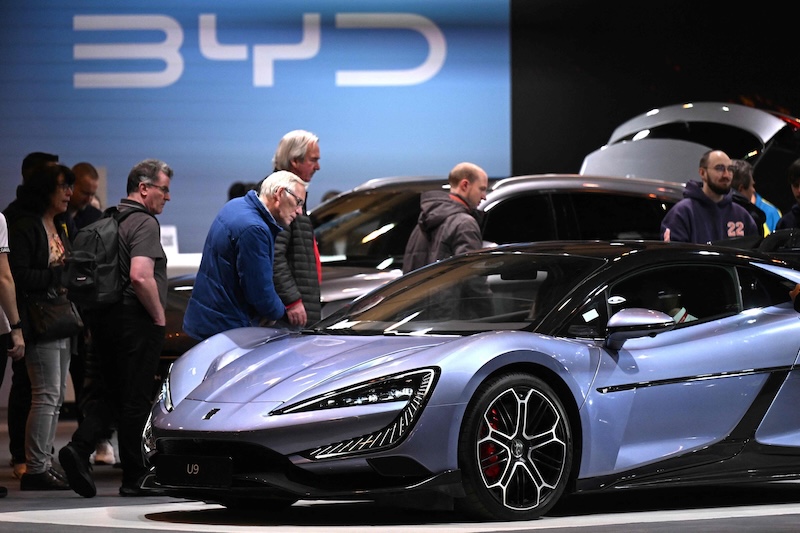
Figures released on Friday show the US-based automaker delivered 1.64 million vehicles worldwide during the year, representing a decline of about nine percent compared with 2024. In contrast, BYD sold 2.26 million electric vehicles, securing the top global position for the first time and ending more than a decade of Tesla’s dominance in electric car sales.
Tesla’s performance weakened notably in the final quarter of the year. The company delivered 418,227 vehicles between October and December, a drop of more than 15 percent from the same period a year earlier and below market expectations of around 440,000 units.
The slowdown followed the expiration of a federal electric vehicle tax credit in the United States. Many buyers accelerated purchases ahead of the incentive’s early autumn deadline, boosting third-quarter sales but contributing to softer demand toward the end of the year.
The United States remains critical to Tesla’s business, accounting for nearly half of its revenue, even though the company reports only global delivery figures. Industry data indicate that electric vehicles represented a smaller share of new car sales in the US during the closing months of 2025, while average vehicle prices increased.
Tesla also faced growing competition. Chinese and European manufacturers expanded their electric vehicle offerings across North America and Europe. According to Reuters, Tesla registrations declined across much of Europe during the year, with only limited gains in Nordic markets.
Some analysts have cited reputational challenges for the company. Tesla chief executive Elon Musk’s political activities and his role in President Donald Trump’s administration drew protests outside Tesla showrooms in both Europe and the United States earlier in the year, according to reports referenced by Reuters and CNN.
BYD’s ascent came despite pressures in its domestic market, where intense price competition and slowing growth affected overall vehicle sales, including hybrids. However, the company made significant gains abroad, reporting overseas sales of one million vehicles in 2025, a sharp increase from the previous year.
The shift underscores a changing balance in the global electric vehicle market, with Chinese manufacturers playing an increasingly dominant role as competition intensifies worldwide.