

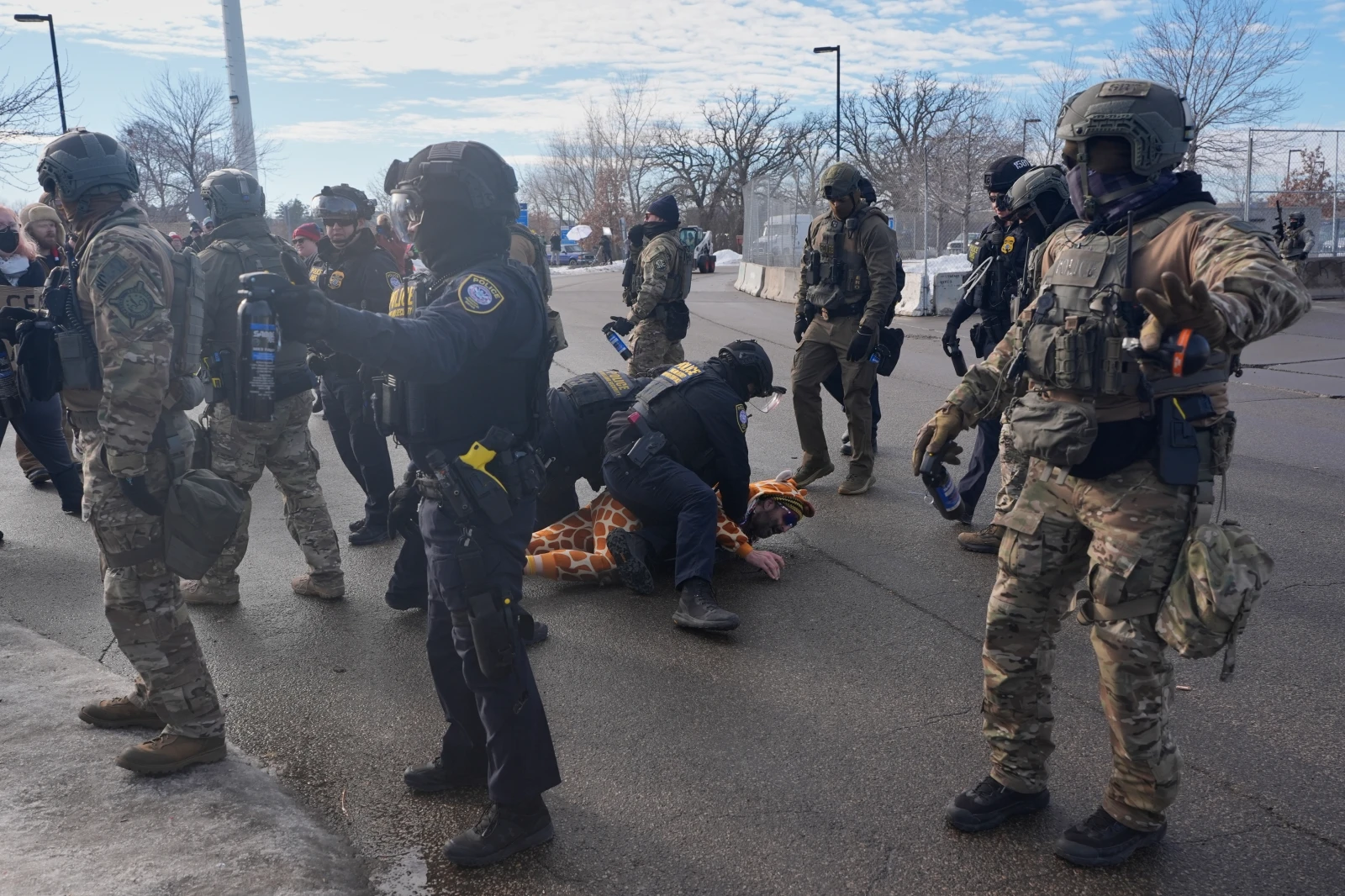
The United States Department of Justice has ruled out launching a criminal civil rights investigation into the fatal shooting of Renee Good by a U.S. Immigration and Customs Enforcement (ICE) officer in Minneapolis, marking a significant shift from how similar cases have been handled under previous administrations.
Deputy Attorney General Todd Blanche said on Tuesday that the department found “no basis” at this stage to involve its Civil Rights Division in the case, even as an FBI investigation into the incident continues. The decision was first reported by CNN and was later confirmed by Justice Department officials.
The move has sparked controversy because past administrations have typically acted swiftly to initiate civil rights reviews following deadly encounters between law enforcement officers and civilians. In this case, however, Civil Rights Division lawyers were informed last week that they would not be taking part in the inquiry, according to officials familiar with internal deliberations.
Federal authorities have argued that the ICE officer acted in self-defense, alleging that Good’s vehicle was used in what they described as an “act of domestic terrorism.” Minnesota state officials, however, have disputed that characterization and raised concerns after federal authorities barred state investigators from accessing evidence, insisting that Minnesota has no jurisdiction over the case.
The Justice Department’s decision has come amid growing internal turmoil. Several federal prosecutors in Minnesota, including First Assistant U.S. Attorney Joseph Thompson, have resigned in recent days, along with multiple senior officials from the Civil Rights Division’s criminal section in Washington. The departures are the latest in a broader exodus of career Justice Department lawyers, many of whom have cited political pressure and shifting enforcement priorities under the Trump administration.
Minnesota Democratic leaders have expressed alarm. Senator Amy Klobuchar called the resignations “a loss for our state and for public safety,” while Governor Tim Walz warned they raised concerns about political interference in the justice system.
The Justice Department has denied that the resignations were linked to the Minneapolis case, saying those officials had sought early retirement before the events unfolded. Critics remain unconvinced, noting that the Civil Rights Division was sidelined just days before its leadership announced their departures.
Civil rights advocates say the absence of a federal civil rights investigation risks deepening public mistrust, especially in a city still marked by the 2020 killing of George Floyd, which led to federal intervention and sweeping police reforms.
Former Civil Rights Division chief Kristen Clarke said the federal government traditionally plays a stabilizing role in such moments. “The public loses out when that doesn’t happen,” she warned, pointing to the anxiety and grief that continue to grip communities affected by police and federal law enforcement shootings.