
The United States has seized a massive oil tanker off the coast of Venezuela, marking one of the most dramatic enforcement actions yet in Washington’s intensifying pressure campaign against President Nicolás Maduro’s government.
President Donald Trump confirmed the operation on Wednesday, describing the vessel as “the largest one ever seized” and insisting the move was justified. The tanker, identified by US officials as The Skipper, had departed Venezuela on December 2 carrying nearly two million barrels of heavy crude, including a large shipment linked to a Cuban state-run importer.
US officials said the seizure was led by the Coast Guard with support from the Navy. Coast Guard members boarded the ship from helicopters deployed by the aircraft carrier USS Gerald R. Ford, which has been stationed in the Caribbean as part of Washington’s expanded military presence.
Video shared online by Attorney General Pam Bondi showed Coast Guard personnel fast-roping onto the tanker’s deck during the operation. Bondi said the vessel had been sanctioned for years for participating in an illicit oil-smuggling network tied to Iran’s Revolutionary Guard and Hezbollah.
Venezuela’s government condemned the operation as “international piracy,” accusing Washington of targeting the country’s natural resources for political gain. “The aggression has always been about our oil and energy,” the government said in a statement.
Documents from Venezuela’s state-owned oil company PDVSA indicate that half of the crude aboard the vessel belonged to Cuba. The tanker had previously operated under the name M/T Adisa, which was sanctioned by the US Treasury in 2022 for participating in a network of covert oil transfers.
Part of a Broader Pressure Campaign
The tanker seizure comes just one day after US fighter jets flew unusually close to Venezuelan airspace, further heightening tensions. The Trump administration has carried out dozens of lethal strikes on suspected drug-smuggling boats in the Caribbean and eastern Pacific operations now under scrutiny from lawmakers.
Sen. Chris Van Hollen criticized the seizure, saying it undermined the administration’s claim that its regional buildup was primarily aimed at drug interdiction. “This is really about regime change by force,” he said.
Naval historian Vincent P. O’Hara described the action as “provocative” and warned it would likely deter maritime traffic along Venezuela’s coast, deepening the country’s economic collapse.
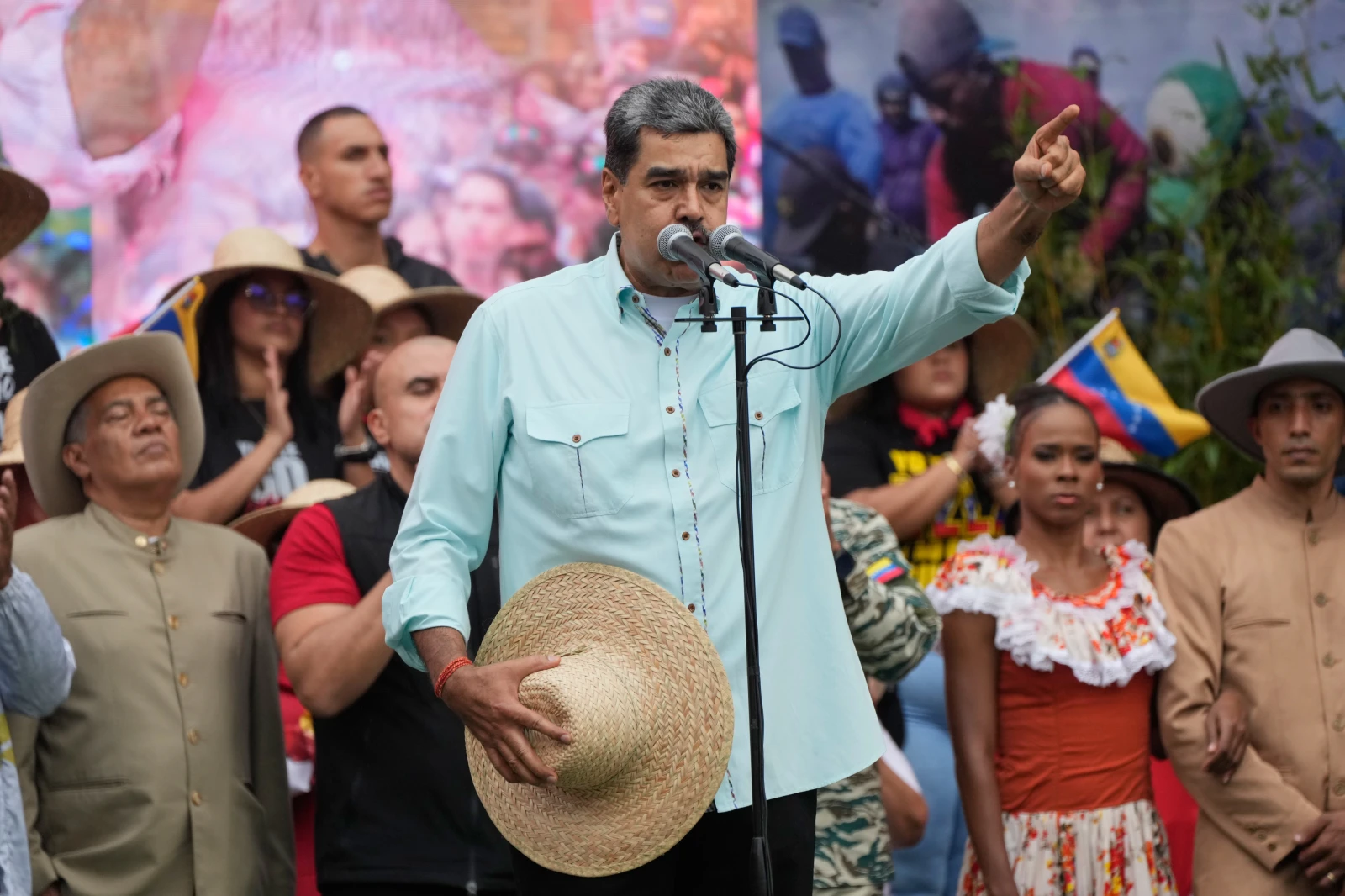
Maduro did not address the seizure directly during a rally on Wednesday but warned supporters that Venezuela was “prepared to break the teeth of the North American empire if necessary.”
A Struggling Oil Economy Under Pressure
Venezuela, which holds the world’s largest proven oil reserves, currently produces about one million barrels per day. Its reliance on intermediaries grew sharply after the first Trump administration expanded sanctions in 2020, threatening penalties against any entity doing business with Maduro’s government.
To evade sanctions, Venezuela has increasingly used “ghost tankers” vessels that switch off transponders and transfer oil at sea through shadowy intermediaries and shell companies across multiple jurisdictions.
Mounting Questions in Washington
The tanker seizure adds to growing pressure on Defense Secretary Pete Hegseth, who briefed lawmakers Tuesday on the ongoing boat strikes, which have killed at least 87 people since September. Some legal experts say the operations may have violated protocols governing lethal military force.
Lawmakers from both parties are demanding unedited footage of the strikes. Hegseth told Congress he is still deciding whether to release the tapes.
The Coast Guard did not comment on the operation, referring inquiries to the White House.