

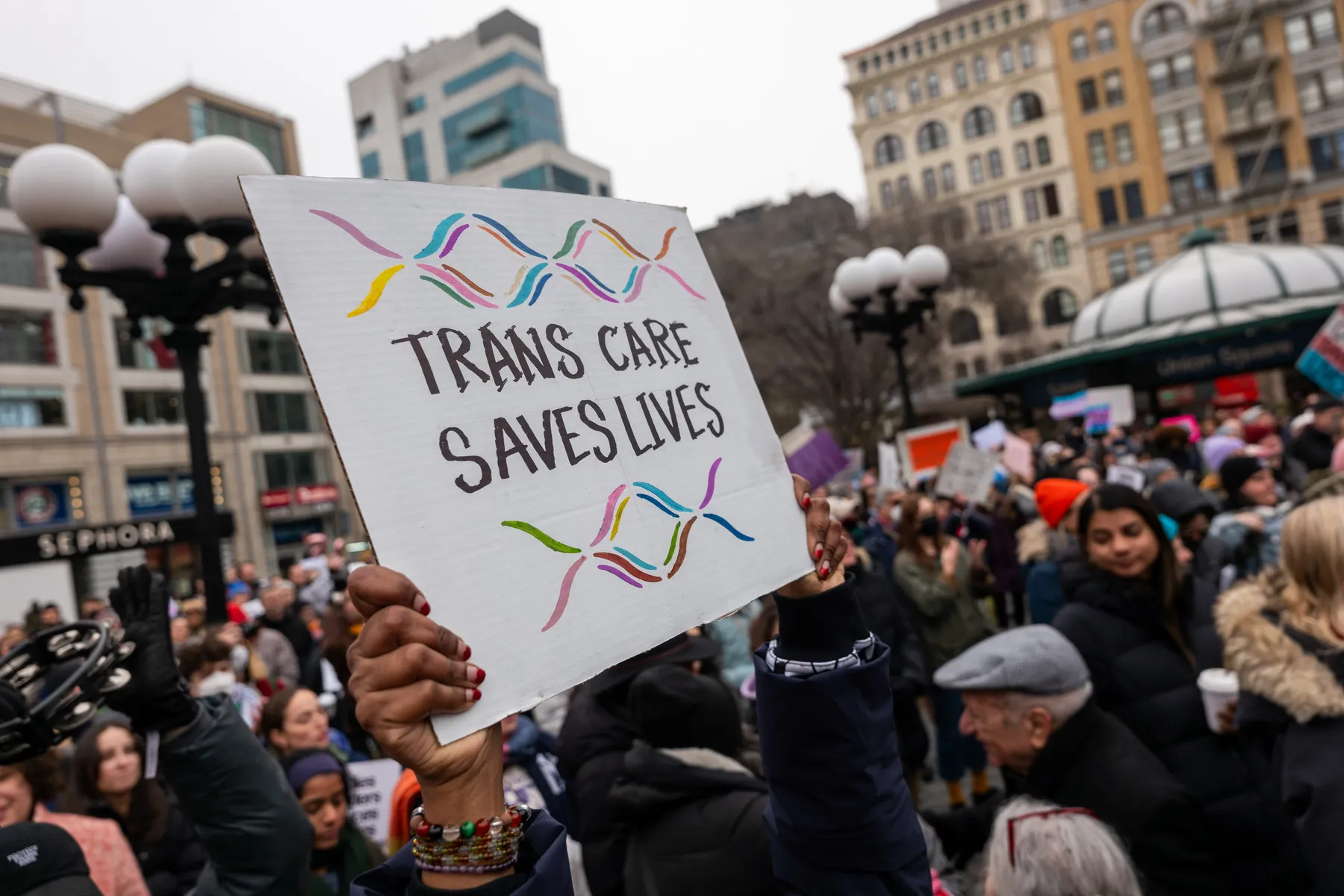
The United States Department of Health and Human Services (HHS) has unveiled a set of proposed regulatory actions that would significantly restrict access to gender-affirming care for minors by cutting federal funding to hospitals and programs that provide such services.
Announced on Thursday, the proposals target the use of puberty blockers, hormone therapy and surgical interventions for transgender children. Under the measures, hospitals offering gender-affirming care to minors would be barred from receiving federal Medicaid and Medicare funds, and federal Medicaid dollars would be prohibited from being used to support these treatments.
The move marks the most far-reaching effort so far by the current administration to limit transgender-related healthcare for children and builds on earlier policies affecting transgender Americans more broadly.
More than half of US states already have laws or regulations banning or restricting gender-affirming care for minors. However, the new federal proposals could affect nearly two dozen states where such treatments remain legal and are currently supported by Medicaid, which is jointly funded by federal and state governments.
HHS officials indicated that the measures are not yet final and will be subject to a formal rulemaking process. This includes public comment periods and possible revisions before any regulations can take effect. Legal challenges are also widely expected if the proposals advance.
If implemented, the rules would reshape access to care nationwide and intensify an already polarized debate over transgender healthcare, states’ rights and the role of the federal government in medical decision-making involving minors.