


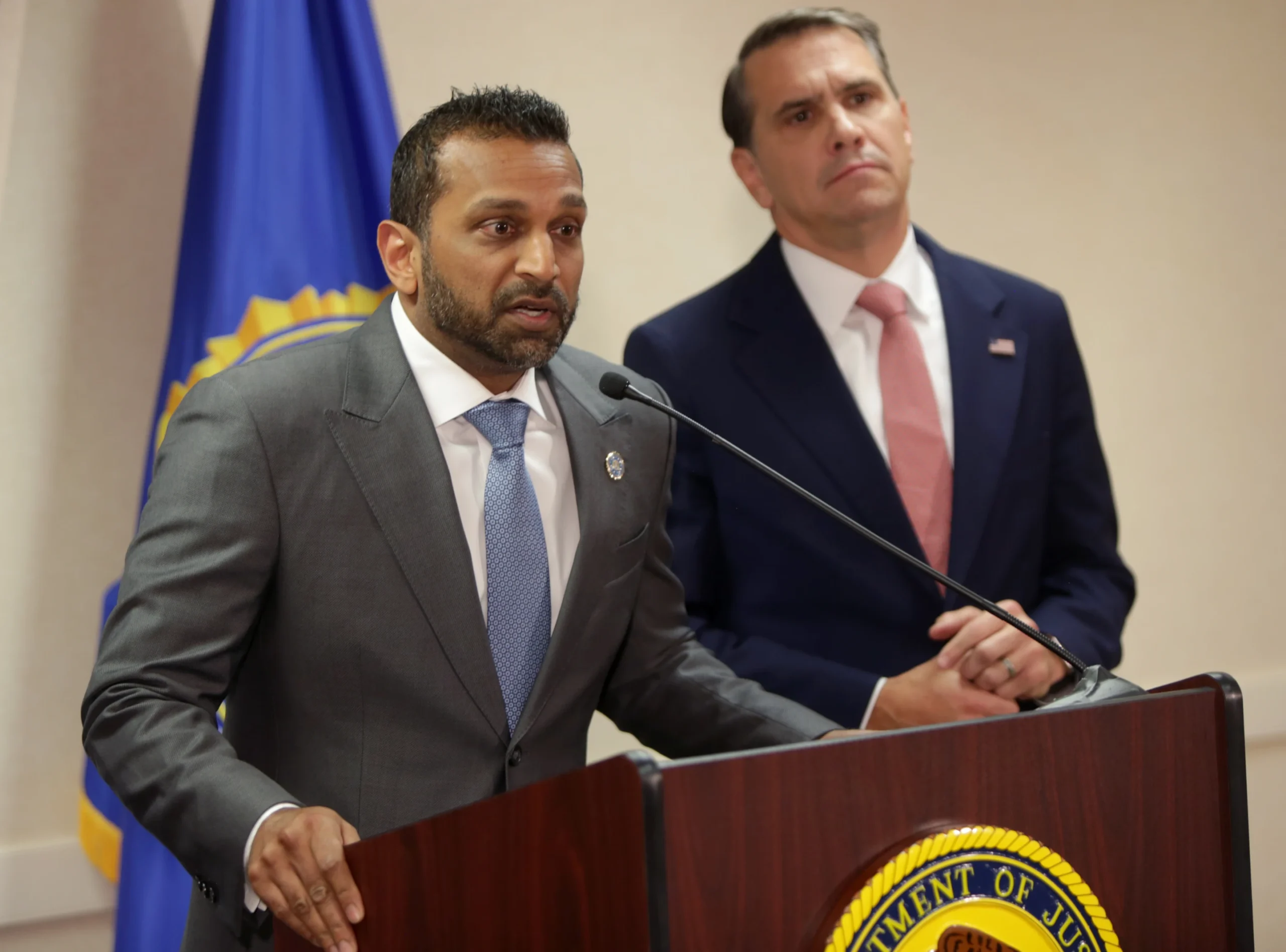
The United States Federal Bureau of Investigation (FBI) is investigating an apparent cyberattack targeting a national law enforcement database used by police agencies across the country, raising concerns about the security of sensitive criminal justice information.
The incident involves the National Crime Information Center (NCIC), an FBI-maintained computer system that provides local, state and federal law enforcement agencies with access to critical investigative and criminal justice records.

A person familiar with the investigation confirmed the apparent breach to The Associated Press on Saturday, November 21. The person was not authorised to discuss the matter publicly and spoke on condition of anonymity.
The FBI declined to comment on the incident, and the full scope of the suspected intrusion remains unclear. The bureau has not publicly established which information, if any, was accessed or compromised. (Associated Press; Reuters)
Sensitive Law Enforcement Information at Risk
The NCIC is one of the United States’ central information-sharing systems for criminal justice agencies.
Its records cover a wide range of law enforcement information, including wanted fugitives, missing persons, criminal histories, stolen vehicles, stolen property and other investigative records.
The system is used by law enforcement agencies to access information that can support criminal investigations, background checks and other public safety operations.
A breach involving such a database could raise serious concerns about the confidentiality of sensitive records and the potential consequences of unauthorised access.
However, authorities have not disclosed whether hackers successfully extracted information, altered records or disrupted the system’s operations.
The identity of the suspected attackers and the method used to gain access also remain unknown.
Trump Describes News of the Incident as ‘Not Good’
US President Donald Trump acknowledged the reports during a Fox News Channel interview on Saturday.
Asked about the apparent intrusion, Trump said his administration had only recently received information about the incident.
“We just heard about it, and I will say that it’s not good,” the president said.
His comments came as the FBI faced questions about the security of its information systems and the potential exposure of sensitive government data.
FBI Faces Repeated Cybersecurity Concerns
The latest incident comes after other reported cybersecurity problems involving FBI systems.
In September 2026, a criminal hacking group known as ShinyHunters claimed to have obtained a substantial amount of data relating to FBI employees and job applicants after compromising the bureau’s recruitment website.
The latest NCIC investigation is separate from that reported incident, and authorities have not established any connection between the two.
Earlier in March, the FBI also disclosed that it was investigating suspicious activity involving an internal system containing sensitive information related to surveillance operations and criminal investigations.
The succession of incidents has renewed concerns about the protection of government information systems against increasingly sophisticated cyber threats.
No Confirmed Link to Other Recent Digital Outages
The suspected NCIC breach has also emerged amid a series of digital disruptions affecting government and private-sector systems in the United States.
Trump administration officials have attributed some of those outages to routine technology upgrades and efforts to address software vulnerabilities rather than deliberate cyberattacks.
However, there is currently no evidence establishing a connection between those disruptions and the FBI database incident.
The investigation remains ongoing, with the full extent of the suspected breach, the identity of those responsible and the potential exposure of sensitive law enforcement information yet to be determined.
The incident highlights the importance of cybersecurity protection for national databases that support law enforcement operations and public safety across the United States.

