


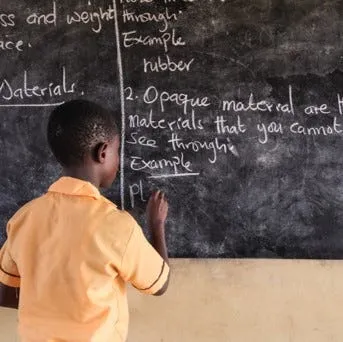
A child can spend more than a decade in school, pass examinations, collect certificates and still leave the classroom without knowing what to do with their future. That is one of the uncomfortable questions Ghana must confront about its education system.
Why do we, as a people, place so much emphasis on reading, writing and passing examinations, yet pay so little attention to what children are actually gaining from schooling and how that education prepares them for life beyond the classroom?
For many Ghanaian families, the quality of a child’s education is often judged by the class of school the child attends, the reputation of the institution and, above all, examination results. Parents want their wards in prestigious schools. Communities celebrate schools with impressive examination performances. Learners are encouraged to study hard, pass their examinations and progress to the next academic level.
But beyond all these expectations, how much attention do we pay to what these children are actually learning? What can they do with the knowledge they acquire? What opportunities are available to them after school? And, perhaps most importantly, what kind of future are we preparing them for?
These are questions Ghana must begin to take seriously.
The Class of School or the Value of Education?
Amineva Global’s research and community observations point to a worrying concern: in some Ghanaian communities, the status and category of a school appear to receive more attention than the actual content of education and the long-term future of the learner.
The competition over which school a child attends can sometimes overshadow more important conversations about the child’s interests, abilities, talents, career direction and opportunities.
A school may have an excellent reputation, but does that automatically mean every learner who passes through its classrooms will discover their potential, develop relevant skills and make informed decisions about their future?
A child can pass examinations, obtain certificates and progress through the education system without having a clear understanding of what they want to become or how to get there.
This is where the conversation about education needs to change.
Schooling should not be measured only by how many examinations a learner passes. It should also be measured by what the learner understands, the abilities developed, the problems they can solve and their preparedness to contribute meaningfully to society.
What Happens After School?
One of the most important questions parents, schools and communities should be asking is: What happens after school?
Not every learner will follow the same academic pathway. Not every child will become a doctor, lawyer, engineer or accountant. Some will become entrepreneurs, technicians, artisans, researchers, designers, farmers, innovators and professionals in fields that many young learners may not even know exist.
Yet, how often are children exposed to these possibilities before they are expected to make important educational and career decisions?
How many learners understand the relationship between the subjects they study today and the opportunities those subjects may create tomorrow?
How many know the different educational pathways available to them? How many have interacted with professionals who can explain what their careers actually involve? How many have had the opportunity to discover their interests before making decisions that could influence the rest of their lives?
We cannot continue to assume that passing examinations automatically prepares a child for life after school.
Education must give learners more than certificates. It must help them understand themselves, discover opportunities and make informed decisions about their future.
Amineva Global Is Taking the Conversation to Communities
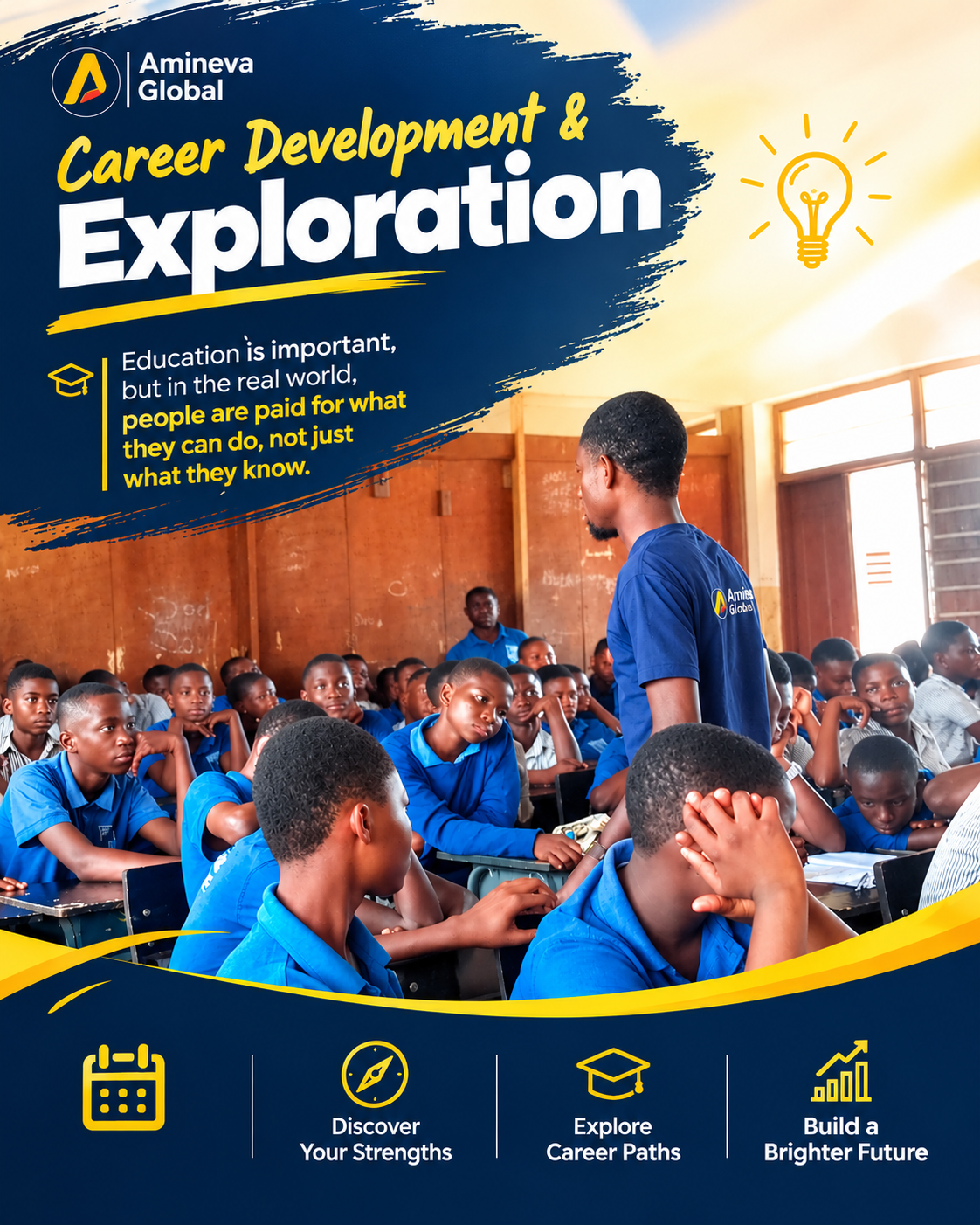
Recognising this concern, Amineva Global, an information discovery and solutions organisation, has initiated a Career Development and Exploration Programme aimed at helping learners understand their interests, explore career possibilities and begin thinking about their future while they are still in school.
The programme is designed to take career development beyond the conventional approach of simply telling learners to study hard and pass their examinations. It introduces them to different career possibilities, encourages them to think about their aspirations and helps them understand that the decisions they make about education can have long-term consequences.
Through engagements with schools and communities, Amineva Global wants to encourage a different conversation about education: one that considers not only the school a child attends but also the value of the education received and the opportunities that follow.
The organisation believes every learner matters and that children should have opportunities to discover their potential regardless of their background or the category of school they attend.
This is not an argument against academic excellence. Rather, it is a call to make academic achievement meaningful by connecting education with real-life possibilities.
Where Are the Institutions and Private Sector Partners?
However, while the programme has begun its community engagements, the question of how it will receive the necessary support to expand across the country remains unanswered.
Career development and exploration should not be treated as an issue that concerns only individual schools or parents. It has implications for national human capital development, youth employment, entrepreneurship and the future workforce.
Government agencies responsible for education, youth development and employment have a role to play. Private companies, foundations, financial institutions, professionals and other organisations also have an opportunity to contribute.
Supporting career development programmes can mean helping learners access career exposure, connecting schools with professionals, providing resources for community outreach and creating opportunities for young people to understand the world beyond their classrooms.
The question is whether these institutions are willing to support initiatives that seek to address the gap between schooling and life after school.
For Amineva Global, the programme’s expansion depends on the support and partnerships required to reach more schools and communities. Whether the necessary backing will come from government agencies, private entities or other development partners remains uncertain.
It is a concern worth raising because the need to prepare young people for life beyond examinations cannot be ignored.
Perhaps We Need to Rethink What We Celebrate
As a country, we must begin to question what we celebrate when it comes to education.
Is it enough for a community to celebrate a school because its learners performed well in an examination? Should parents be satisfied simply because their children have gained admission to a prestigious institution? Should learners spend years in school without meaningful exposure to the different opportunities available to them?
We must begin celebrating not only examination results but also discovery, creativity, practical abilities, informed career choices and the successful transition of learners into further education, employment and entrepreneurship.
A child’s future should not become a conversation only after graduation, when the pressure to find employment or choose a career has already arrived.
The conversation must begin much earlier.
Ghana does not simply need children who can read, write and pass examinations. It needs young people who understand their potential, recognise opportunities, develop relevant abilities and can make informed decisions about their lives.
The Bigger Question
If education is supposed to prepare children for the future, why do we spend so much time discussing where they attend school and how well they perform in examinations, but so little time discussing what they will become and how their education will help them get there?
Amineva Global has taken a step towards making that conversation part of the educational experience through its Career Development and Exploration Programme. But an initiative seeking to reach learners across the country cannot expand on goodwill alone. It requires meaningful partnerships, institutional support and a collective recognition that career development is an important part of preparing children for life.
Perhaps it is time for parents, schools, communities, government agencies and the private sector to look beyond the examination results and ask a more important question:
After all the schooling, what future have we actually prepared for our children?

