

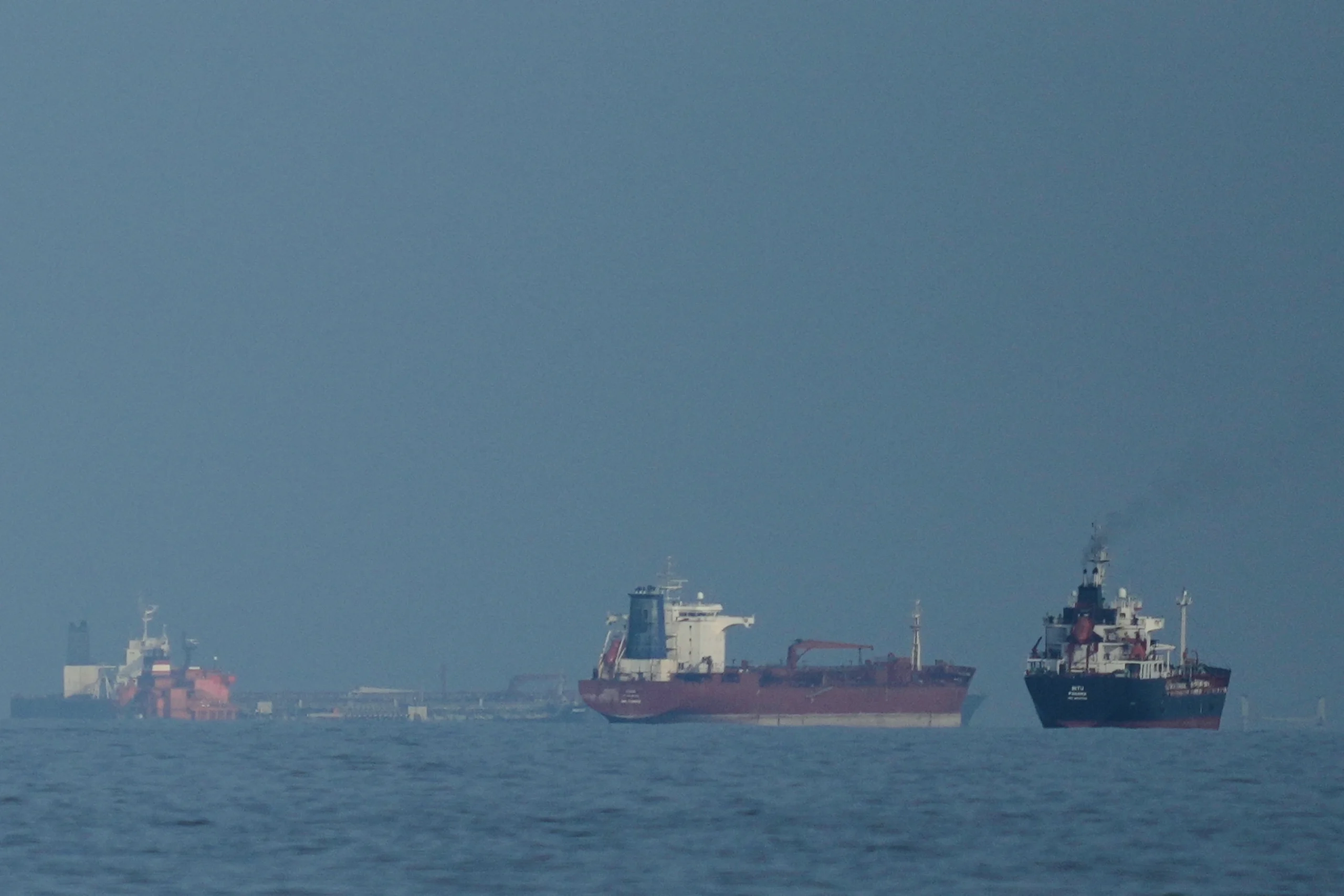
The United States military has announced plans to begin a blockade of all Iranian ports, escalating tensions in the Middle East after ceasefire negotiations between Washington and Tehran ended without agreement.
The blockade, which will be enforced by the U.S. Central Command (CENTCOM), is scheduled to begin Monday at 10 a.m. EDT, equivalent to 5:30 p.m. in Iran. According to the military, the operation will be applied to vessels of all nations entering Iranian ports. However, ships traveling between non-Iranian ports will still be allowed to pass through the Strait of Hormuz, easing earlier threats to shut down the entire waterway.
The announcement follows 21 hours of ceasefire talks held in Pakistan between officials from both countries. Negotiations ended without a breakthrough, raising fears of further escalation in a conflict that has already spread across several parts of the region.
Iranian leaders quickly responded to the announcement, warning that the country would resist the blockade. Senior officials said Tehran possesses several options to counter the move, while the Iranian parliament speaker declared that Iran would respond if confronted militarily.
Iran’s Revolutionary Guard also stated that the Strait of Hormuz remains under Iran’s control and is open to civilian shipping, but warned that military vessels entering the area could face a forceful response.
The decision to block Iranian ports is expected to place additional pressure on Tehran, which has continued exporting oil despite the conflict, often through shipping routes that avoid international monitoring and sanctions.
Global energy markets reacted immediately to the announcement. Oil prices rose sharply in early trading, with U.S. crude climbing to about $104 per barrel and Brent crude surpassing $102 per barrel, compared to around $70 before the conflict began in late February.
The talks that collapsed over the weekend were the highest-level negotiations between the United States and Iran since the 1979 Islamic Revolution. Washington said the discussions failed largely due to disagreements over Iran’s nuclear program.
U.S. officials have demanded firm guarantees that Iran will never obtain nuclear weapons, including ending uranium enrichment and dismantling key nuclear facilities. Iranian negotiators rejected some of those demands, accusing Washington of shifting its conditions during negotiations.
Neither side has clarified what will happen after the current ceasefire expires on April 22. Pakistan has indicated it may attempt to facilitate another round of dialogue in the coming days, while Iran says it remains open to further negotiations.
The ongoing war between the United States, Israel and Iran has already caused thousands of casualties across the region and damaged infrastructure in several countries, while continuing to disrupt global energy supplies.