

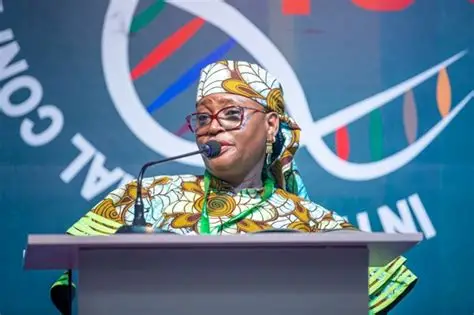
Trade ministers from the 166 member states of the World Trade Organization have convened in Yaoundé for a high-stakes ministerial conference, as growing geopolitical tensions and protectionist policies threaten the future of the multilateral trading system.
The meeting opened under a cloud of uncertainty, with diplomats describing a tense atmosphere driven by widening global divisions, including the economic fallout from conflicts in the Middle East and increasing unilateral trade actions by major economies.
WTO Director-General Ngozi Okonjo-Iweala called on member states to renew their commitment to multilateralism, urging reforms to address what she described as a collective failure to resolve long-standing trade disputes and systemic inefficiencies.
Central to the discussions is the urgent need to overhaul the WTO’s dispute settlement mechanism, which has remained effectively paralysed since 2019. Many member countries acknowledge that without reform, the institution risks losing relevance in an increasingly fragmented global trade environment.
European Trade Commissioner Maroš Šefčovič stressed the need for meaningful reforms to address market imbalances and industrial overcapacity, while the United Kingdom warned that continued inaction could render the WTO ineffective.
However, sharp disagreements persist. The United States, under President Donald Trump, has questioned foundational principles such as the “most-favored nation” rule, while China insists such principles remain essential to global trade fairness.
Analysts remain skeptical that the Yaoundé conference will deliver a major breakthrough, given entrenched positions among leading economies. Former WTO chief Pascal Lamy noted that the gathering represents a critical test of whether the organization can still play a meaningful role in reducing trade barriers at a time when many nations are moving in the opposite direction.
With previous ministerial meetings yielding limited results, the outcome of the Yaoundé summit is being closely watched as a potential turning point for the future of global trade governance.