

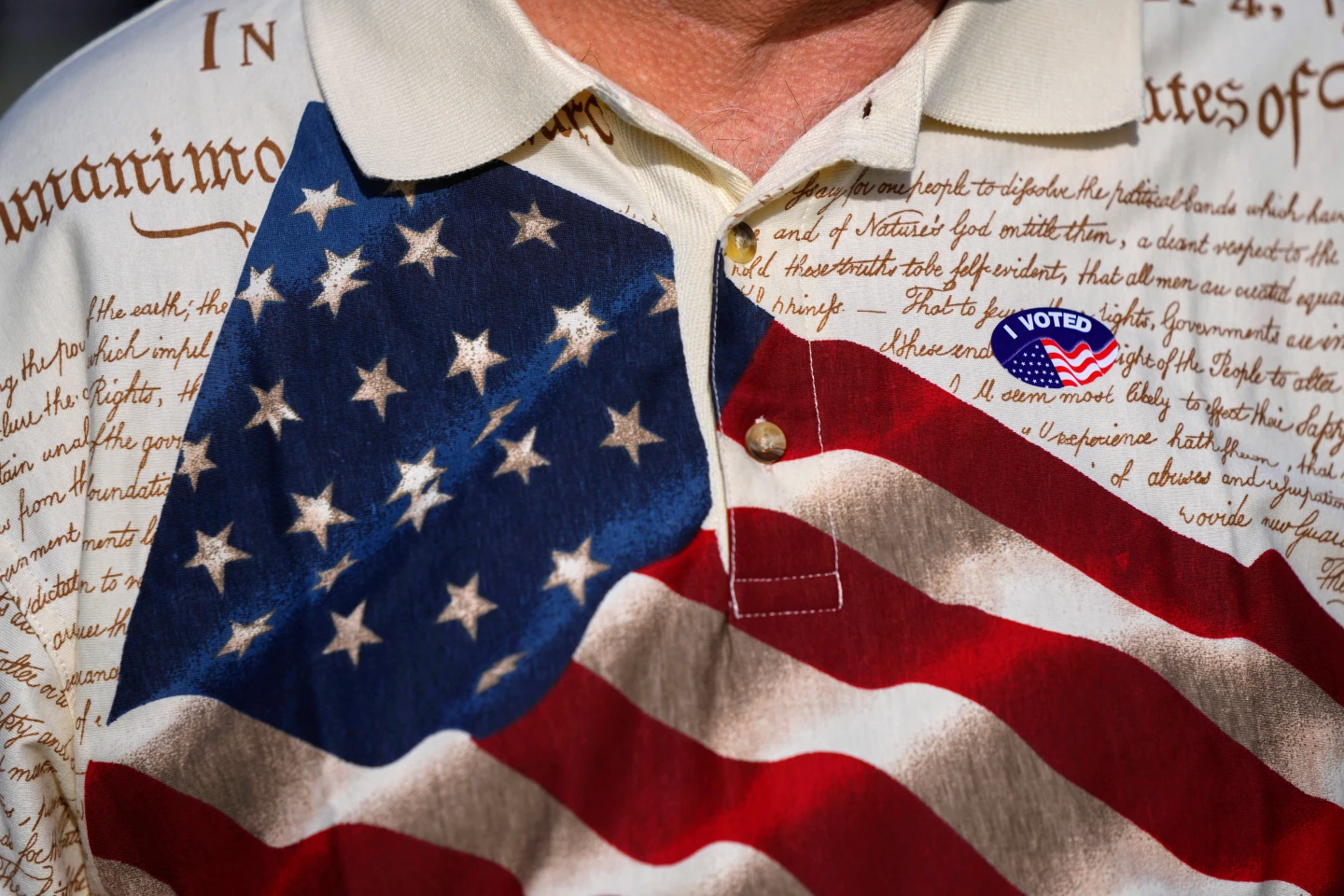
Americans are increasingly turning away from the country’s two major political parties, with a growing share choosing to identify as independents, according to new polling data released by Gallup.
The survey found that 45 percent of U.S. adults now identify as political independents, marking a significant rise from about one-third of Americans two decades ago. The shift reflects deepening dissatisfaction with both the Democratic and Republican parties and signals continued volatility in U.S. electoral politics.
Gallup’s analysis suggests that independents are often motivated less by ideological alignment and more by frustration with the party in power. Over the past year, independents have leaned slightly toward the Democratic Party when asked which side they favor, but the data shows no corresponding rise in positive views of Democrats. Analysts say the shift is more closely linked to declining approval of President Donald Trump among independents than to growing enthusiasm for Democratic leadership.
The trend carries potential implications for this year’s midterm elections, where Democrats are seeking to regain control of Congress. However, Gallup cautions that the movement of independents does not indicate durable loyalty and could easily reverse if political conditions change.
Younger Americans Lead the Shift
Younger generations are driving the rise in independent identification. Majorities of both Generation Z and Millennials now describe themselves as independents, a sharp contrast with older Americans, who remain more likely to align with a political party.
According to the survey, 56 percent of Gen Z adults identify as independents, compared with about 40 percent of Gen X and roughly 30 percent of older generations. Gallup noted that young adults today are more likely than previous generations to reject formal party labels, a pattern that could make frequent swings in political power more common in the years ahead.
Democrats Hold Narrow Advantage
When accounting for partisan leanings, Democrats currently hold a narrow edge. The poll shows that 47 percent of Americans identify as Democrats or lean Democratic, compared with 42 percent who identify as Republicans or lean Republican. This reverses the advantage Republicans held during former President Joe Biden’s term and mirrors patterns seen during Trump’s first presidency.
Despite the shift, Democrats’ overall favorability remains historically low, underscoring Gallup’s conclusion that independents’ behavior is driven more by opposition to Trump than by confidence in Democratic leadership.
Independents Concentrated in the Political Center
The data also shows that independents are increasingly positioning themselves as moderates. Nearly half of independents described their views as moderate in 2025, compared with about three in ten Democrats and two in ten Republicans.
At the same time, both major parties have grown more ideologically polarized. Around 60 percent of Democrats now identify as liberal, while 77 percent of Republicans call themselves conservative, leaving fewer moderates within party ranks.
Gallup analysts say this polarization presents a growing challenge for both parties, as efforts to appeal to the expanding pool of moderate independents risk alienating core supporters.