

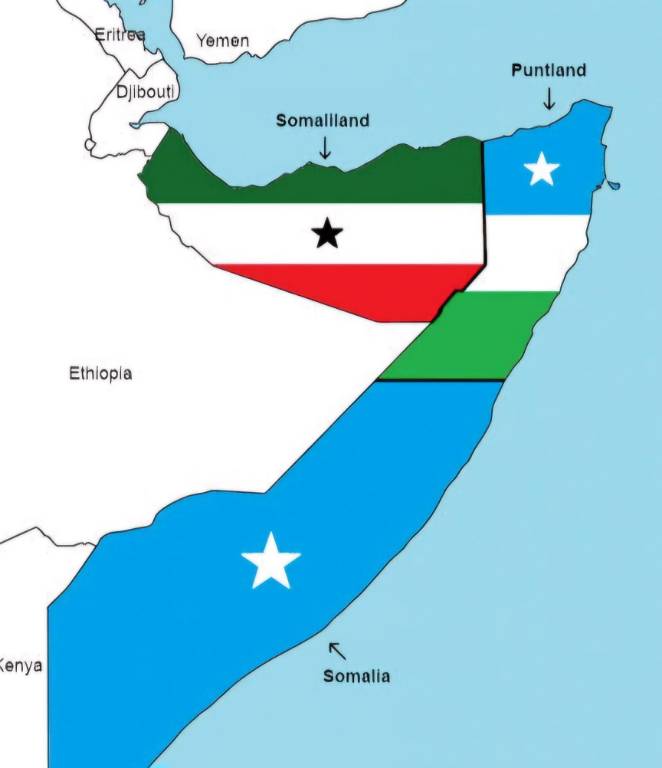
Somaliland is increasingly drawing international attention as regional and global powers assess its strategic value along the Red Sea corridor, a zone critical to global trade, energy routes, and security dynamics.
The self-declared republic, which has maintained relative stability for more than three decades, occupies a geopolitically significant position at the mouth of the Red Sea near the Gulf of Aden. Analysts note that its coastline, coupled with reported oil and gas prospects, places Somaliland at the center of growing regional interest.
Recent diplomatic engagements suggest that Somaliland has used these strategic advantages to deepen ties with key regional and international actors, including Ethiopia, Israel, and South Sudan. Ethiopia, Africa’s second-most populous country, has long sought reliable access to the sea following its landlocked status since Eritrea’s independence. Cooperation with Somaliland offers Addis Ababa a potential maritime outlet without military confrontation, a factor regional observers say enhances the appeal of the partnership.
Israel, for its part, has shown increasing strategic interest in the Red Sea due to security concerns, shipping routes, and regional influence. A presence near this vital waterway would provide significant strategic depth, making Somaliland an attractive partner in broader Middle East–Horn of Africa dynamics.
Security and geopolitical experts argue that Somaliland’s approach reflects a calculated effort to translate geography into diplomatic capital, positioning itself as a reliable partner in a volatile region. While Somaliland remains unrecognized internationally as a sovereign state, such engagements continue to reinforce its de facto autonomy and regional relevance.
As competition for influence in the Red Sea intensifies, Somaliland’s role is expected to grow, with its strategic location increasingly shaping alliances, security planning, and economic cooperation across the Horn of Africa and beyond.