

Archaeological discoveries made near the Dead Sea continue to affirm the remarkable preservation of ancient Jewish scripture, following renewed scholarly attention to the Dead Sea Scrolls some of the oldest known Hebrew texts, dating back more than 2,000 years.
The scrolls were discovered in caves near Qumran in the Judean Desert and are widely believed to have been preserved by the Essenes, a Jewish sect that lived during the period of Roman occupation of Jerusalem. Historians say the group, known for its strict discipline and ritual purity, withdrew from urban life amid fears that Jewish religious traditions faced destruction under Roman rule.
In response, the Essenes carefully copied and safeguarded an extensive archive of religious writings, including biblical scriptures, legal texts, prayers, community rules and apocalyptic writings. Scholars note that nearly the entire Hebrew Bible is represented in the collection, with the notable exception of the Book of Esther, which may have been excluded for theological or sectarian reasons.
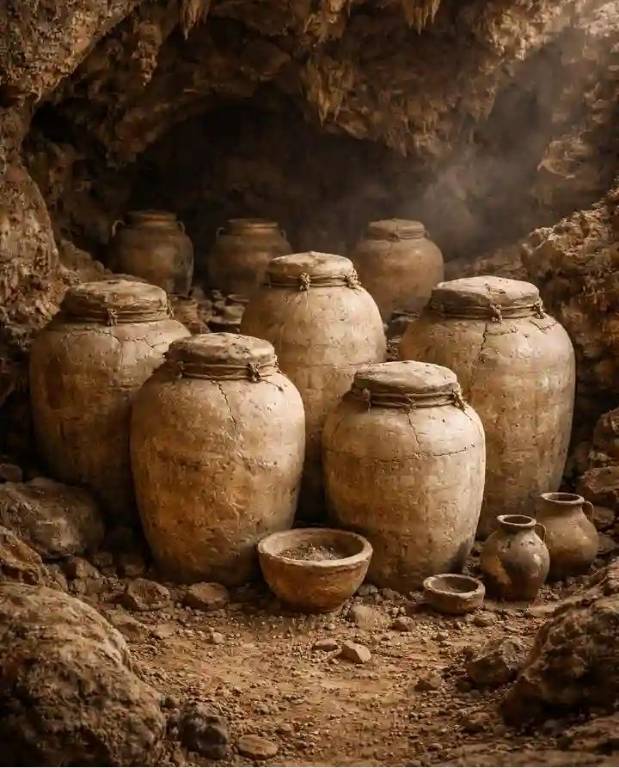
The manuscripts were sealed in clay jars and hidden in caves overlooking the Dead Sea, where the region’s dry climate helped preserve them for nearly two millennia.
The scrolls remained undiscovered until 1947, when a Bedouin shepherd searching for a lost goat stumbled upon one of the caves. After throwing a stone inside, he heard the sound of breaking pottery, leading to the accidental discovery of what would become one of the most significant archaeological finds of the 20th century.
When the manuscripts were later examined by scholars in Jerusalem, comparisons with the modern Hebrew Bible particularly the Book of Isaiah revealed an extraordinary finding: the texts were almost identical, despite the 2,000-year gap between their writing and modern versions.
Experts say the discovery provided powerful evidence of the careful transmission and preservation of Jewish scripture across centuries, reinforcing the historical continuity of Second Temple Judaism.
Today, many of the Dead Sea Scrolls are housed and displayed at the Israel Museum in Jerusalem, where they remain a focal point for biblical scholarship, archaeology and religious history.